Cacatua
Meet the Crowned Cockatoos of Indonesia
Indonesia is home to some of the world’s most intelligent and expressive parrots. Cockatoos are famous for their dramatic crests, powerful beaks, and strong emotional bonds. Among the most iconic are Cacatua sulphurea, Cacatua galerita, Cacatua alba, and Cacatua moluccensis—four species that represent both the beauty of Indonesia’s forests and the urgency of wildlife conservation
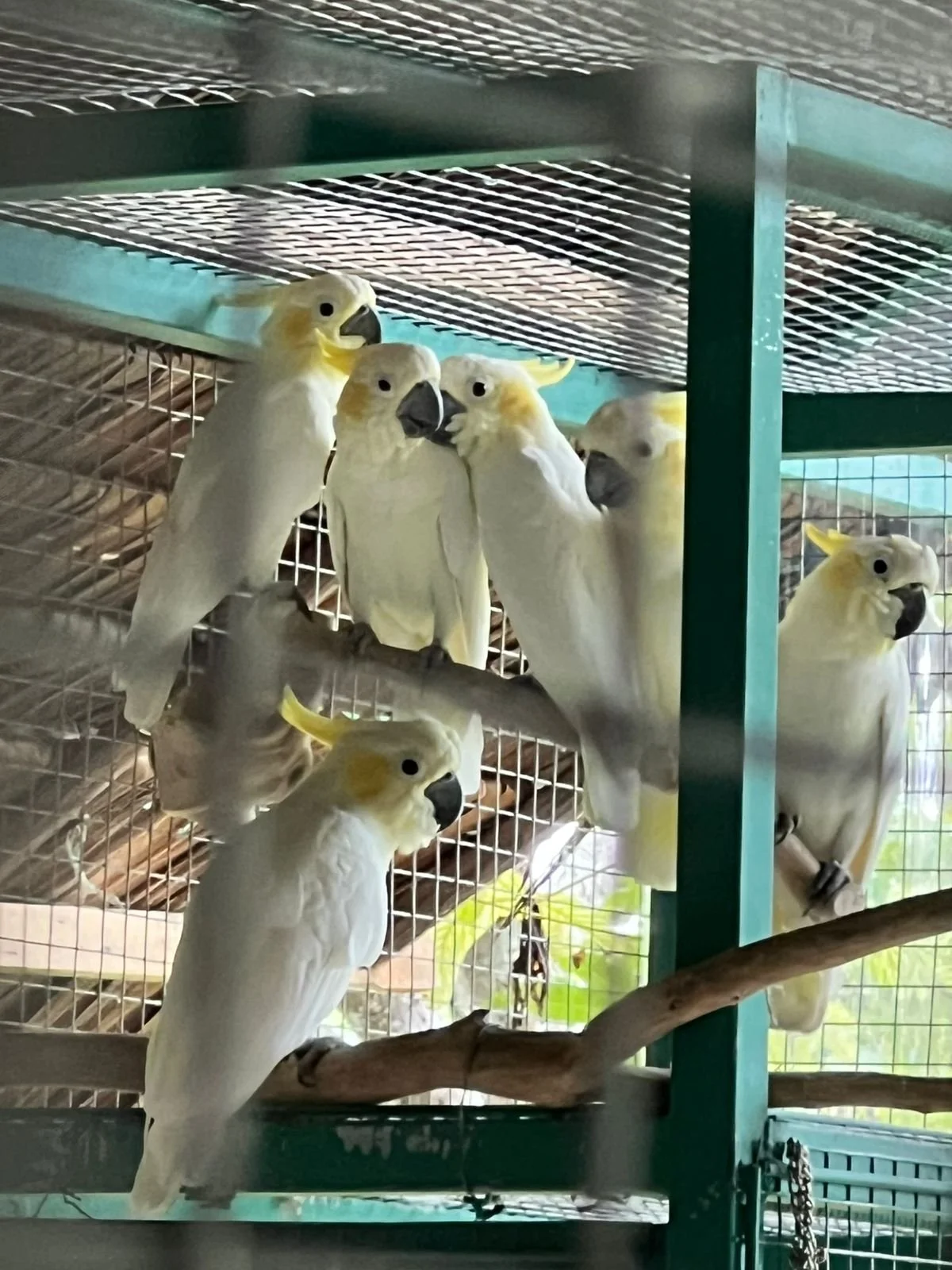
Cacatua sulphurea
Physical Traits
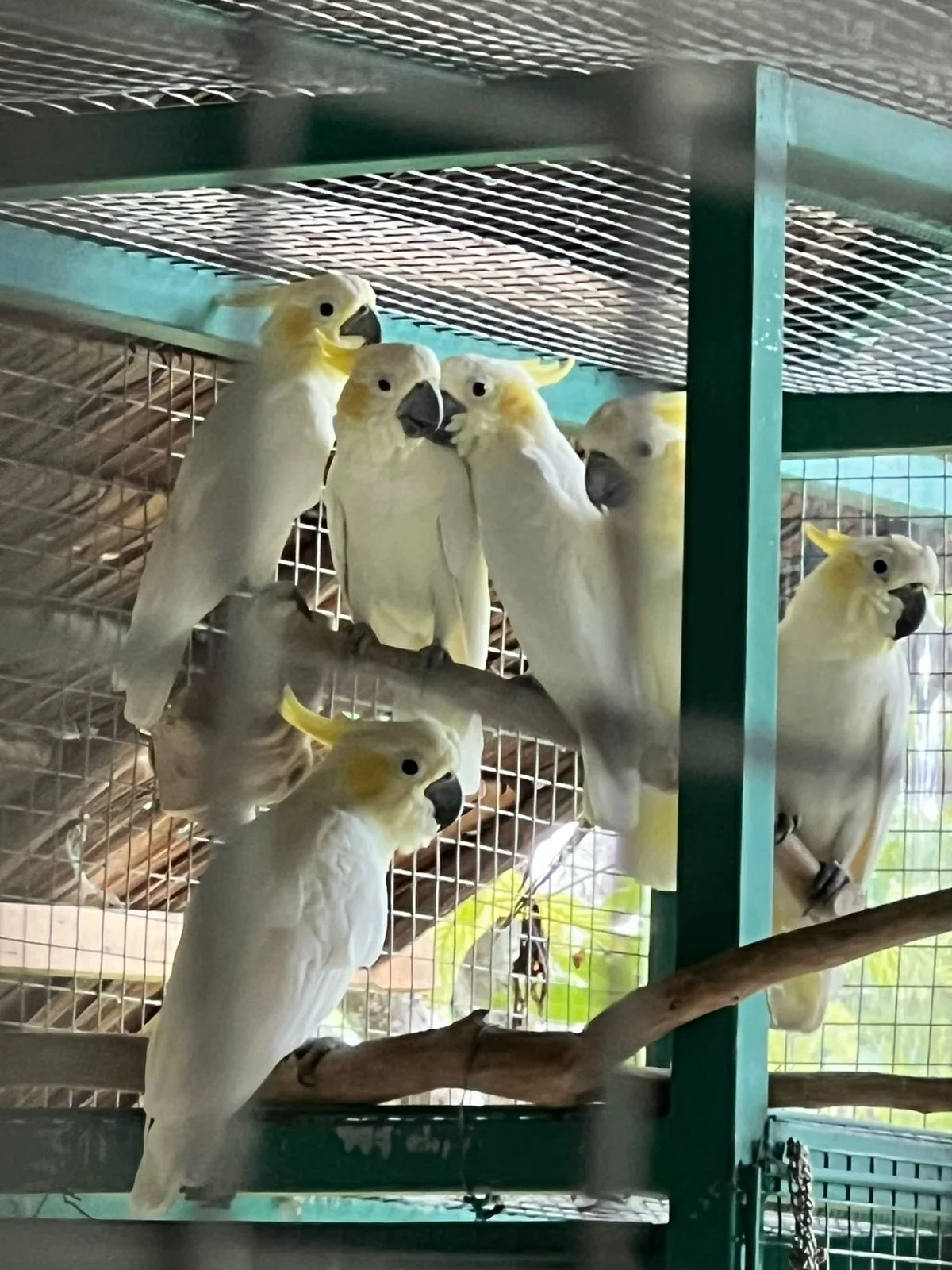
Smaller and slimmer than C. galerita, this cockatoo has white feathers, a pale yellow crest, and a light-colored beak. It has a gentle face and graceful build, usually about 33–35 cm long.
Diet & Behaviour
This species is calm but curious. It feeds on seeds, fruits, berries, buds, and sometimes insects. Yellow-crested cockatoos live in pairs or small groups and are very loyal to their mates. They rely heavily on forest trees for food and shelter.
Reproduction & Life Cycle
They nest in large old trees, laying 1–2 eggs. The parents raise the chicks together. Because suitable nesting trees are disappearing, many birds struggle to reproduce successfully in the wild.
Conservation Status
Listed as Critically Endangered. This species is endemic to Indonesia and has been devastated by illegal wildlife trade and habitat loss. Every remaining bird is vital for survival of the species
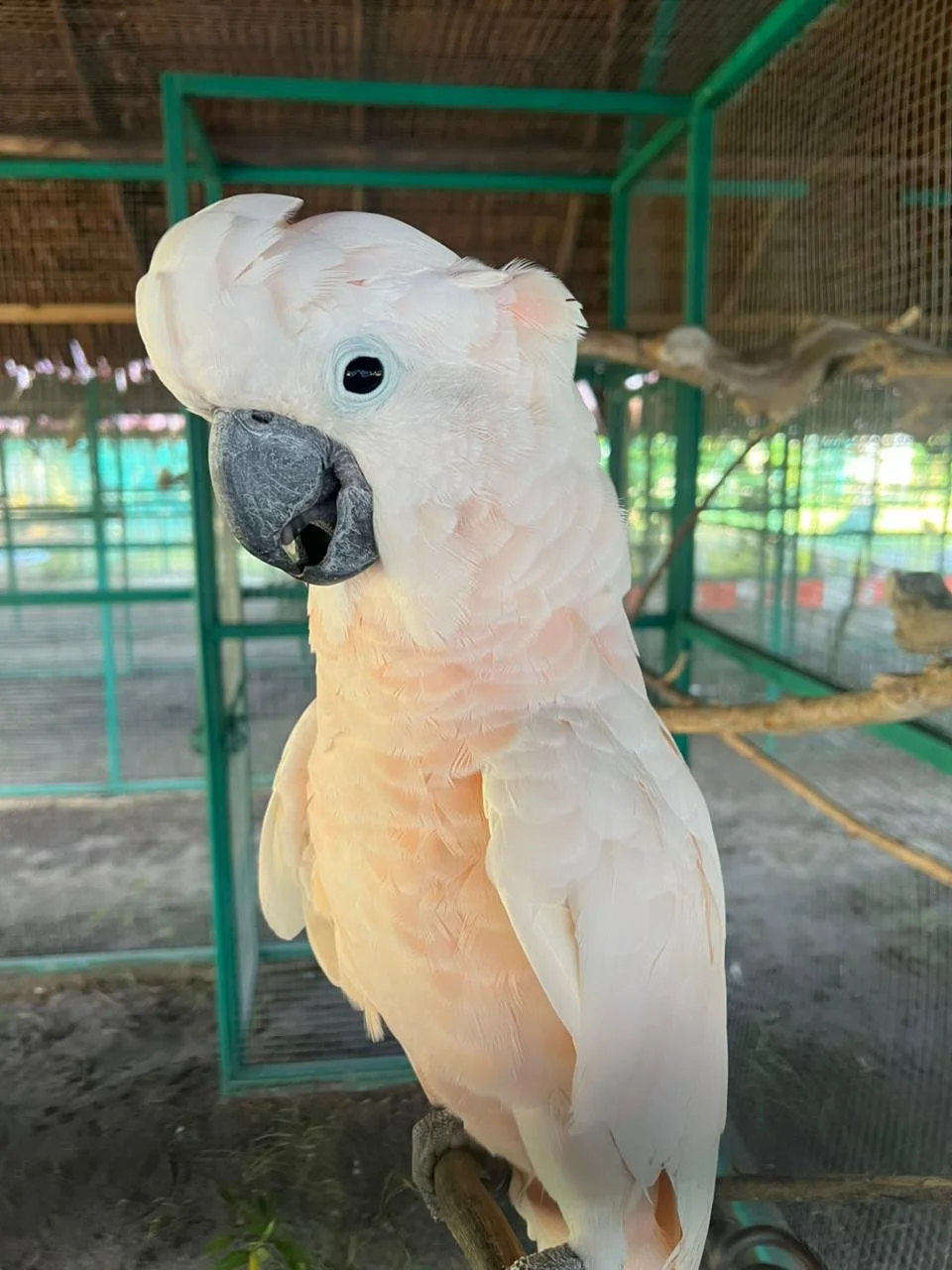
Cacatua moluccensis
Physical Traits
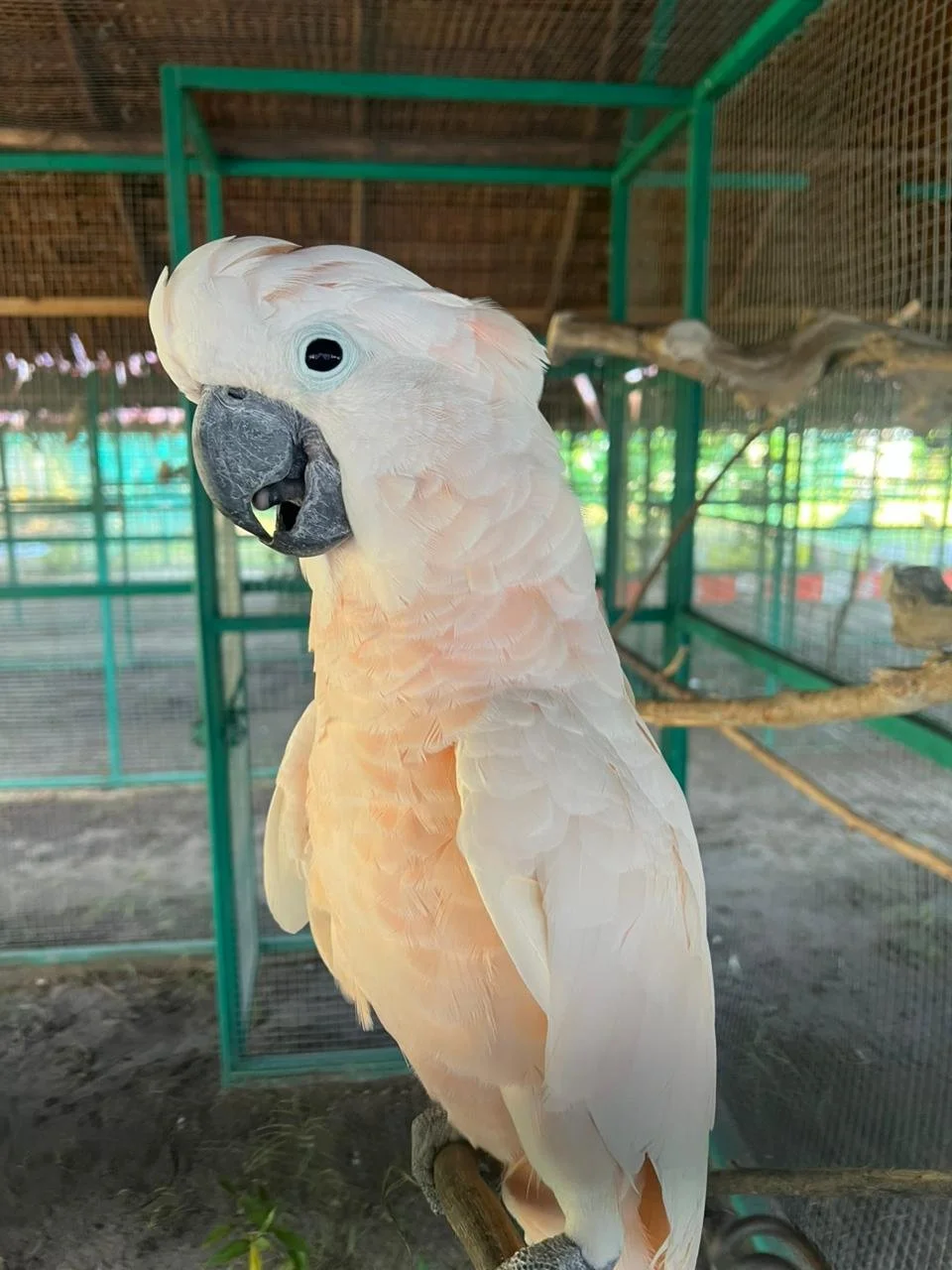
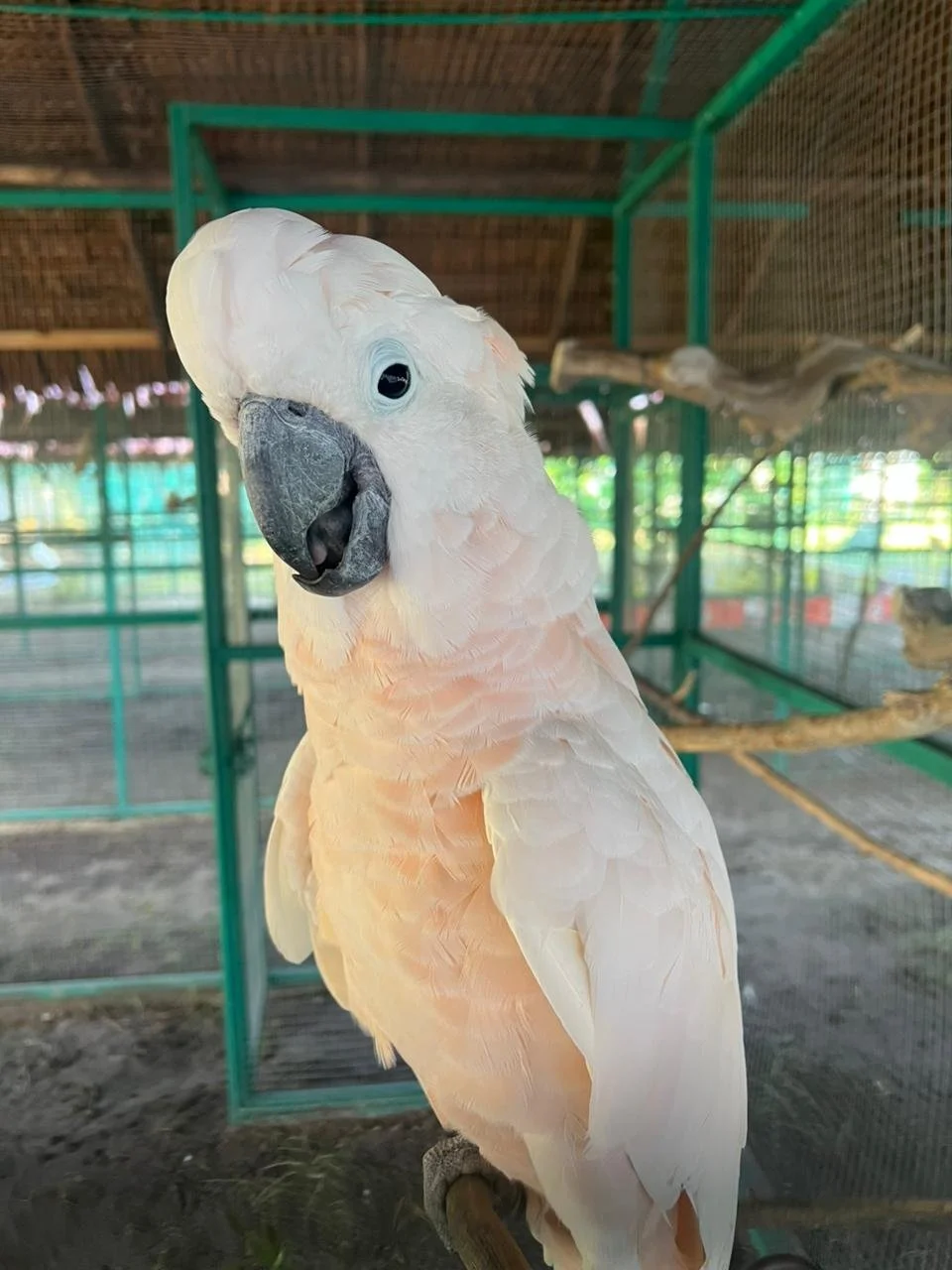
This is one of the most striking cockatoos, with pale pink feathers and a dramatic red-orange crest. Its large size (about 48 cm) and soft coloring make it truly unique among parrots.
Diet & Behaviour
Salmon-crested cockatoos are gentle and affectionate birds. They feed on fruits, seeds, nuts, and forest plants. They are calm but very loyal, often staying with the same mate for life.
Reproduction & Life Cycle
They nest in tall trees in Maluku forests. The female lays 1–2 eggs, and both parents raise the chicks together. The young remain dependent for a long time, learning survival skills from their parents.
Conservation Status
Listed as Endangered. Habitat loss and illegal trade have greatly reduced wild populations, especially on Seram Island.
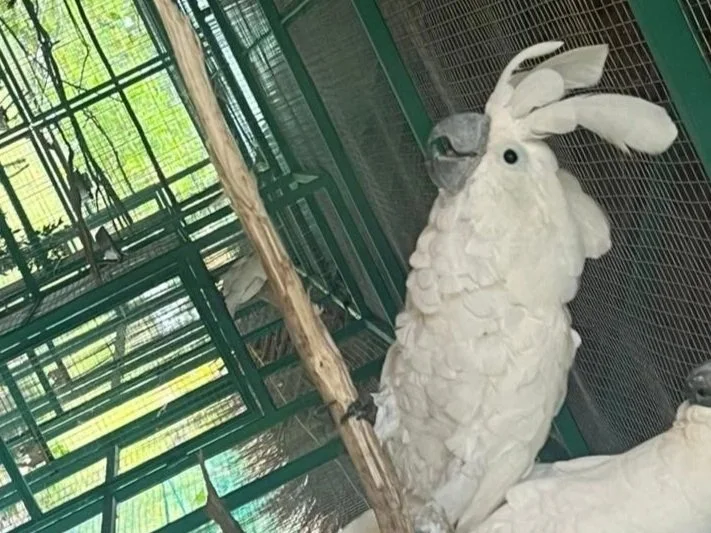
Cacatua alba
Physical Traits
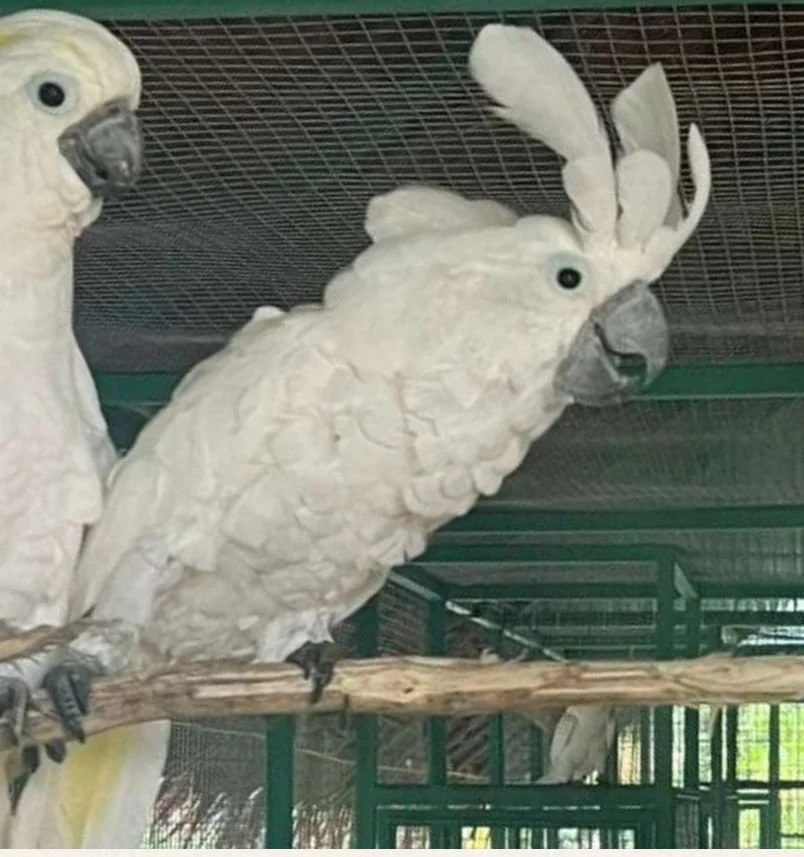
This cockatoo has snow-white feathers and a soft lemon-yellow crest that opens like a fan. It has a rounded head, dark eyes, and a curved black beak. Adults reach about 40 cm in length.
Diet & Behaviour
White cockatoos are playful, emotional, and very social. They eat fruits, seeds, nuts, and forest plants. They form strong bonds with their flock and mate, often grooming each other and calling to stay connected.
Reproduction & Life Cycle
They nest in tall forest trees and usually lay two eggs. The chicks are raised slowly, staying with their parents for many months. This long care period means population recovery is very slow when birds are lost.
Conservation Status
Listed as Endangered. Found mainly in North Maluku, this species is threatened by illegal trapping and deforestation. Protection of nesting trees is critical for their future.
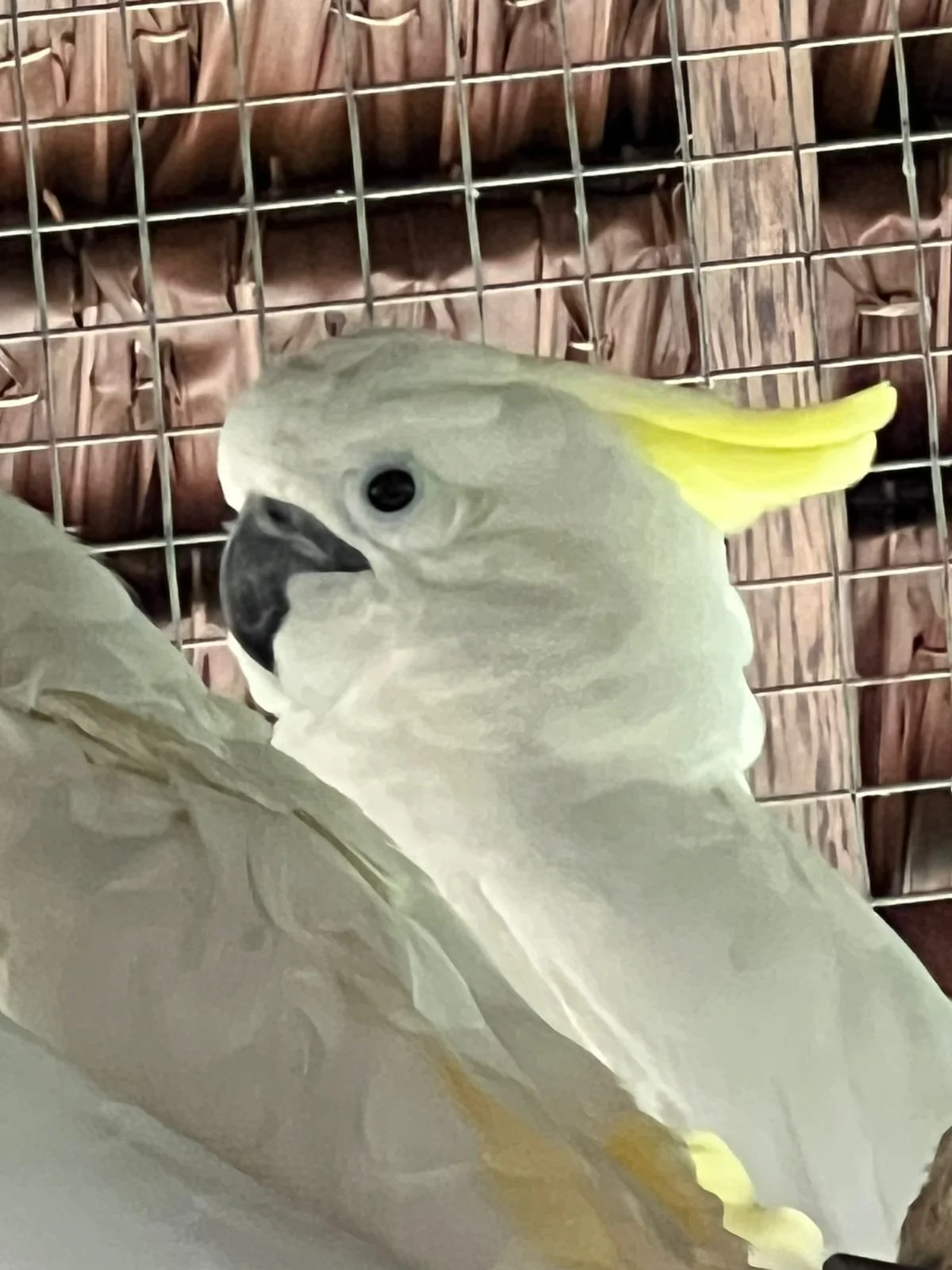
Cacatua galerita
Physical Traits
This is a large, bold cockatoo with pure white feathers and a bright yellow crest that fans upward like a crown. It has a strong black beak and dark expressive eyes. Adults can reach about 45–50 cm in length, making them one of the biggest cockatoos in the region.
Diet & Behaviour
Sulphur-crested cockatoos are highly social and noisy birds. They live in flocks and communicate with loud calls that carry across the forest. Their diet includes seeds, fruits, nuts, roots, and sometimes crops, which is why they are often seen near farms and villages. They are intelligent problem-solvers and love to explore their surroundings.
Reproduction & Life Cycle
They usually nest in tree hollows, where the female lays 1–2 eggs. Both parents take turns incubating and feeding the chicks. The young stay with their parents for several months, learning how to find food and survive in the wild before becoming independent.
Conservation Status
Globally listed as Least Concern, but in Indonesia some local populations are declining. Habitat loss and conflict with humans are increasing threats, and illegal trade still affects certain areas.