
Meet Our Rescued Friends
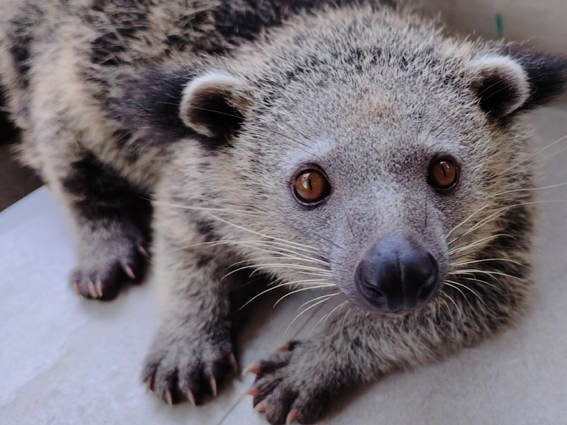
Meet the Binturong:
A Rare Arboreal Wonder!
The binturong, or Asian bearcat (Arctictis binturong), is a unique Southeast Asian mammal from the civet family. With black fur and a strong prehensile tail, it moves skillfully through the forest canopy. Nocturnal and solitary, it feeds on fruits, small animals, and eggs, and plays an essential role as a seed disperser—especially for fig trees that support tropical forest health.
Classified as Vulnerable (VU) on the IUCN Red List, binturongs are threatened by deforestation and illegal wildlife trade. Protecting them means protecting their forest habitats and preserving Indonesia’s rich biodiversity for future generations.
By helping Binturong, we contribute to the survival of a species that is vital to the health of their forests—and to the richness of Indonesia’s natural heritage. Your help ensure that binturongs continue to thrive in their forest homes, supporting biodiversity and the health of Southeast Asia’s tropical ecosystems.
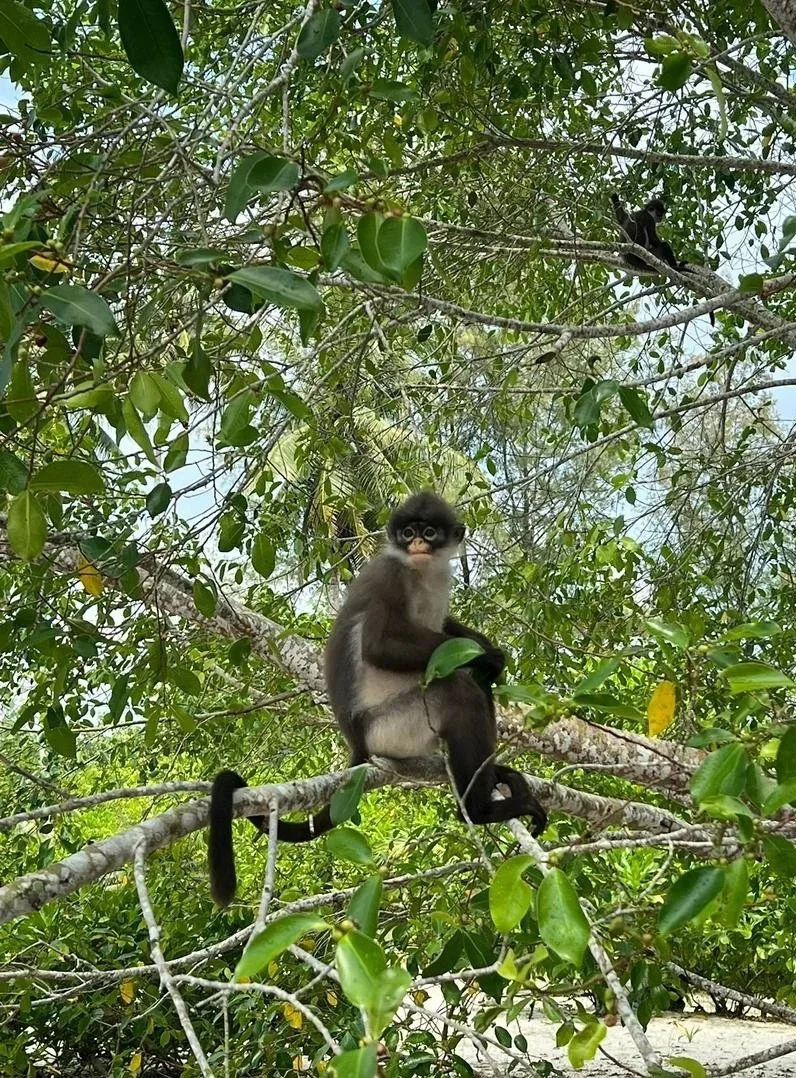
Meet the Kekah Bintan:
The Secret Primate of Bintan Island
Agile, social, and always on the move, Bintan langurs (Kekah Bintan) are a unique primate species found only on Bintan Island, Indonesia. Living in tropical forests and mangroves, they are easily recognized by their silver-gray to dark fur, long tails, and expressive faces.
Primarily herbivorous, they feed on leaves, buds, fruits, and flowers, playing a crucial role in seed dispersal and forest regeneration. For this reason, they are often called the “gardeners” of the forest.
Classified as Vulnerable (VU) on the IUCN Red List, Bintan langurs face increasing threats to their habitat. Protecting them means safeguarding forest ecosystems and preserving Indonesia’s natural heritage.
By helping Bintan langurs, we contribute to the survival of a species that is vital to the health of their forests—and to the richness of Indonesia’s natural heritage.
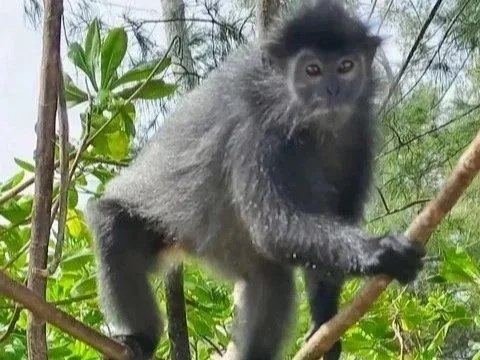
Meet the Silvered Langur:
Forest Guardians
The silvered langur of Sumatra is a leaf-eating monkey found in tropical forests, mangroves, and swamps. Adults have a silver-grey coat, while newborns are bright orange. They live in arboreal groups led by one male and feed mainly on young leaves, shoots, flowers, and unripe fruits, aided by a specialized multi-chambered stomach.
Silvered langurs play an important ecological role but face growing threats from deforestation, habitat conversion, and wildlife trade. Although not yet classified as threatened, the species is at high risk of becoming so, and is currently listed as Vulnerable (VU) on the IUCN Red List.
We can help ensure that silvered langurs continue to thrive in forests, maintaining both biodiversity and the health of their ecosystems.
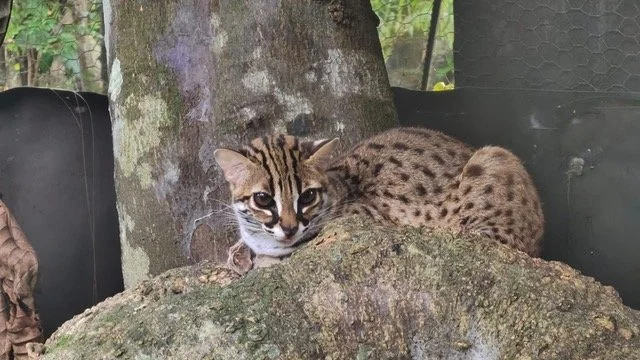
Meet the Leopard Cat:
The Miniature Predator
Graceful and elusive, the Leopard Cat is a small Asian wild cat with a striking spotted coat. Found in forests, mangroves, and even near villages, it plays an important role in controlling rodent populations and maintaining ecosystem balance.
Despite being listed as Least Concern on the IUCN Red List, Leopard Cats face threats from habitat loss, road accidents, and the illegal pet trade. At our center, we help rescued individuals recover and, whenever possible, return safely to the wild where they belong.
By helping Leopard Cats , we contribute to the survival of a species that is vital to the health of their forests—and to the richness of Indonesia’s natural heritage.
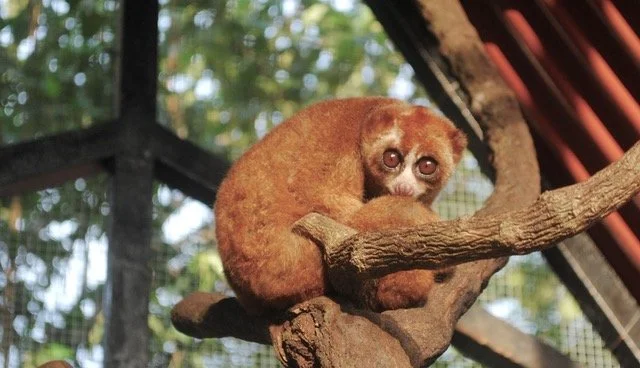
Meet the Slow Loris:
The Forest’s Silent Climber
The slow loris is a small, nocturnal primate known for its large eyes and gentle movements, which help it remain hidden at night. Shy and sensitive to disturbance, it plays an important role in forest health by controlling insects and aiding pollination and seed dispersal.
Sadly, slow lorises are often victims of the illegal pet trade, habitat loss, and human-related injuries, and urgently need rescue and care. Their recovery requires gentle handling, veterinary support, and a calm environment. The IUCN Red List classifies slow lorises as Vulnerable (VU) or Endangered (EN), depending on the species.
By helping Slow Loris, we contribute to the survival of a species that is vital to the health of their forests—and to the richness of Indonesia’s natural heritage.
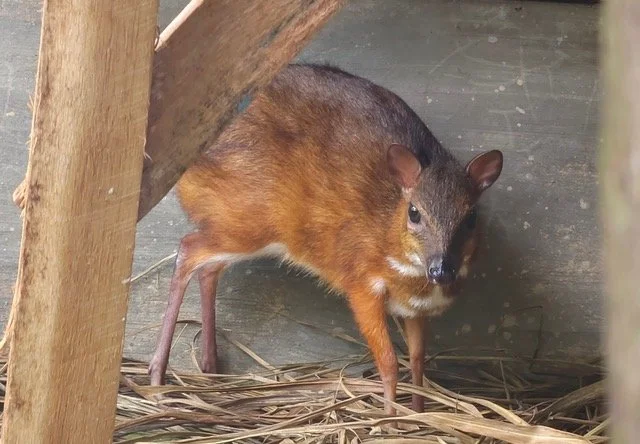
Meet the Kancil:
The Tiniest Hoofed Mammal of Southeast Asia!
The Kancil, or Mouse Deer, may be tiny — but it’s one of Southeast Asia’s most remarkable forest creatures!
With its delicate legs, big eyes, and silent movements, the kancil can slip through the jungle almost unseen. Mostly active at night, it feeds on fruits, shoots, and fallen vegetation, helping disperse seeds and maintain healthy forests.
Despite its small size, the kancil plays a big ecological role — yet it faces increasing pressure from habitat loss and hunting in many parts of its range. Protecting this shy little ungulate means protecting the forests it helps sustain. The Mouse Deer (Tragulus kanchil) is classified as Least Concern (LC) on the IUCN Red List.
We can help ensure that the kancil continues to thrive and that Southeast Asia’s forests remain vibrant and healthy.
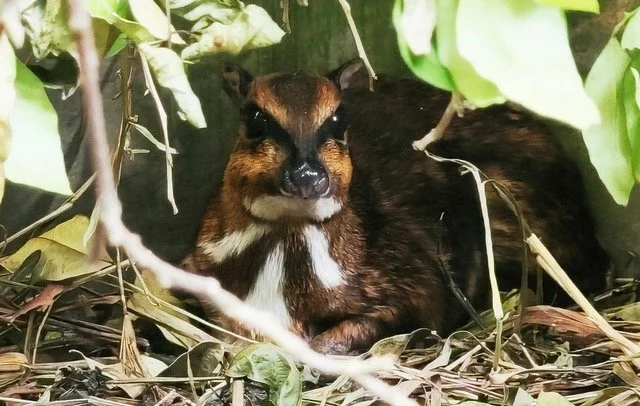
Meet the Greater Mouse-deer:
One of the World’s Smallest Hoofed Mammals.
The Greater Mouse-deer, also called the Napu or Greater Chevrotain, is an ancient Southeast Asian mammal from one of the oldest hoofed lineages, existing for over 30 million years. Though often called a deer, it is not a true deer.
Shy, solitary, and mostly nocturnal, it lives hidden in dense tropical forests, feeding on fallen fruits and plant material and helping with seed dispersal. An excellent swimmer, it relies on stealth to avoid predators. Today, the Greater Mouse-deer is declining in many areas due to habitat loss.
Greater Mouse-deer (Tragulus napu) – IUCN Status: Least Concern
We can help ensure that the Greater Mouse-deer continues to thrive, supporting healthy forests and biodiversity in Southeast Asia.
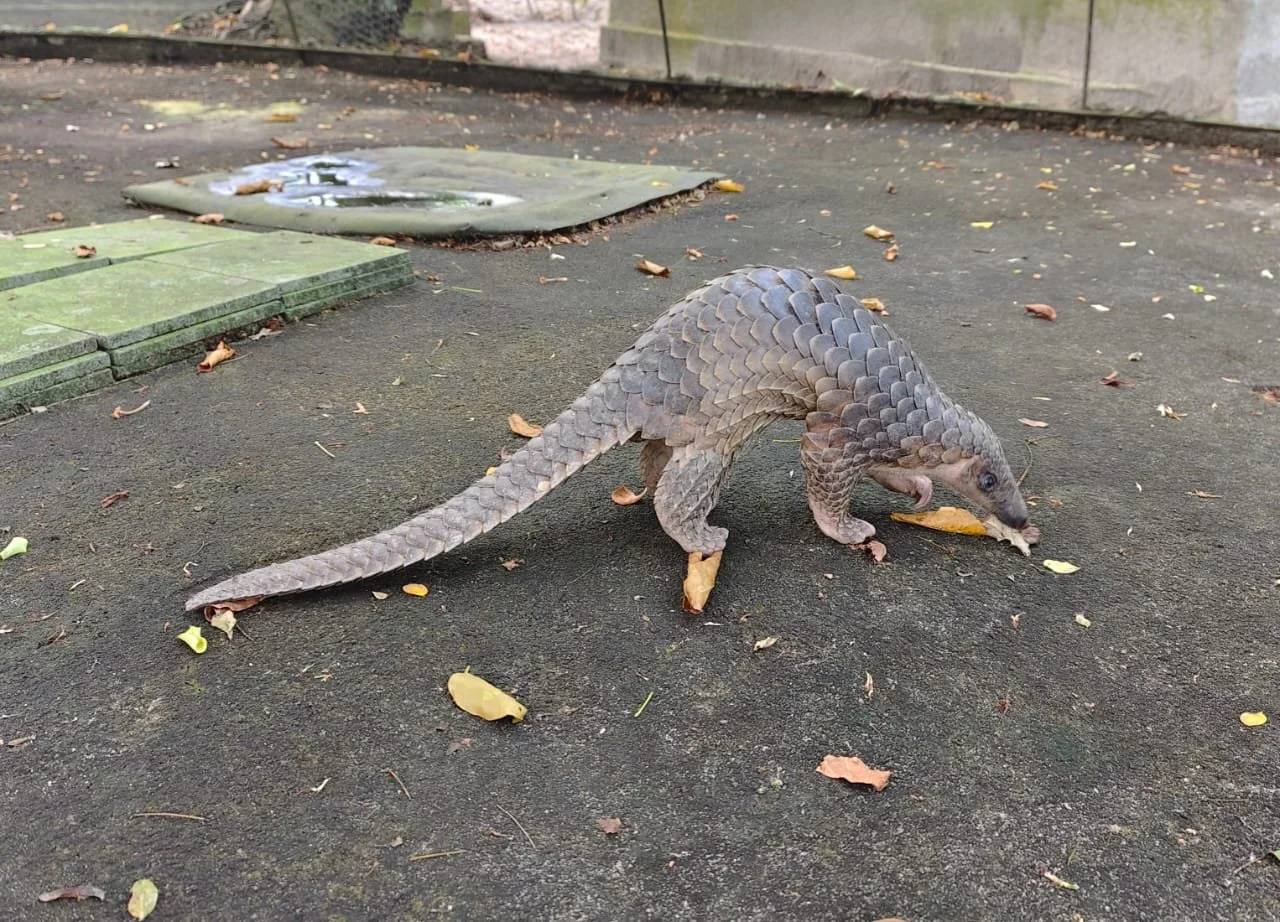
Meet the Pangolin:
The World’s Only Scaly Mammal
Pangolins are unique mammals from Africa and Asia, and the only mammals covered in protective keratin scales. Shy and nocturnal, they feed on ants and termites, helping control insect populations and maintain healthy ecosystems.
Tragically, pangolins are the most trafficked mammals in the world, hunted for their meat and scales used in traditional medicine despite no proven benefits. As a result, they face an extremely high risk of extinction.
Classified as Critically Endangered (CR) on the IUCN Red List, pangolins urgently need protection. Supporting rescue, rehabilitation, and habitat conservation gives these remarkable animals a chance to survive in the wild.
By supporting pangolin conservation, we help preserve biodiversity, maintain healthy ecosystems, and ensure that future generations can witness these extraordinary mammals in the wild.
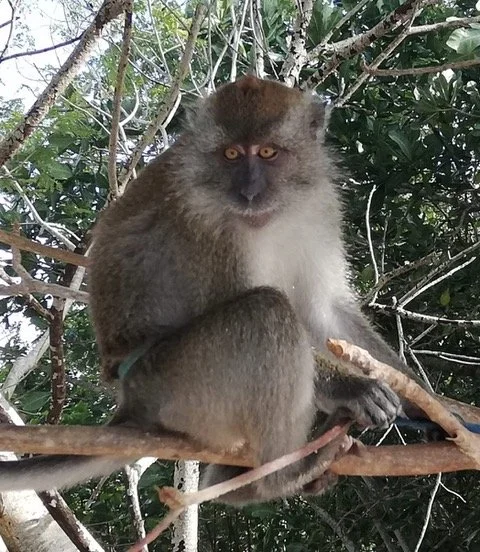
Meet the Macaque:
The Clever Crab-eating
The crab-eating macaque, also know as long-tail macaque is a tiny forest adventurer, capable of climbing, leaping, and even swimming to find its meals! The crab-eating macaque is a highly adaptable primate found in the mangroves, coastal forests, and tropical forests of Bintan and other Indonesian islands. Known for their agility, these macaques are excellent climbers and swimmers, often foraging both in trees and along riverbanks.
These omnivorous primates feed on fruits, leaves, seeds, small animals, and occasionally crabs, giving them their common name. Their feeding and foraging behaviors play a key role in seed dispersal and maintaining forest biodiversity and helping maintain the health of its ecosystem. The IUCN Red List classifies the crab-eating macaque as Least Concern (LC).
We can help crab-eating macaques thrive in their natural habitats while supporting the health and diversity of Indonesia’s forests.