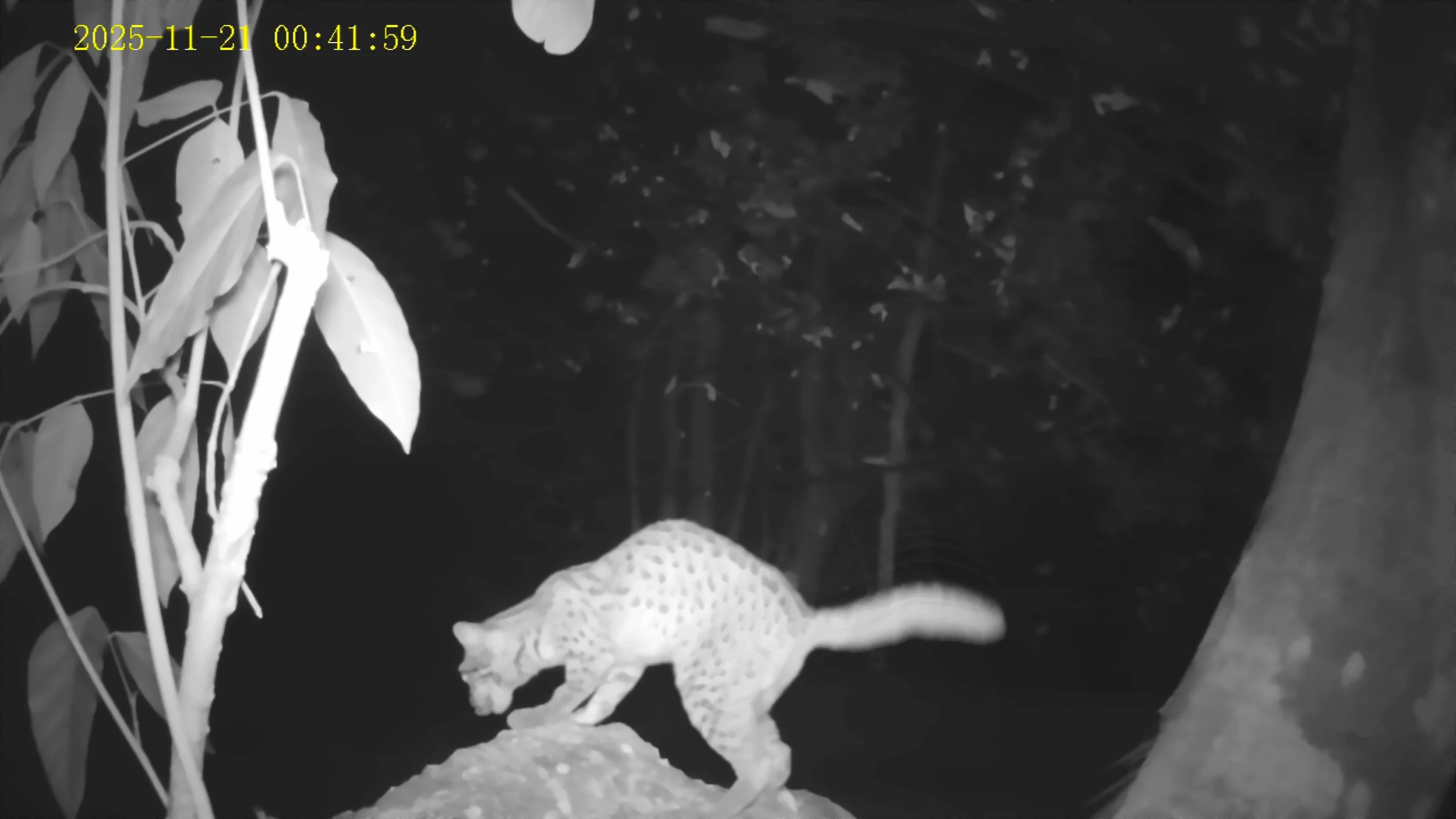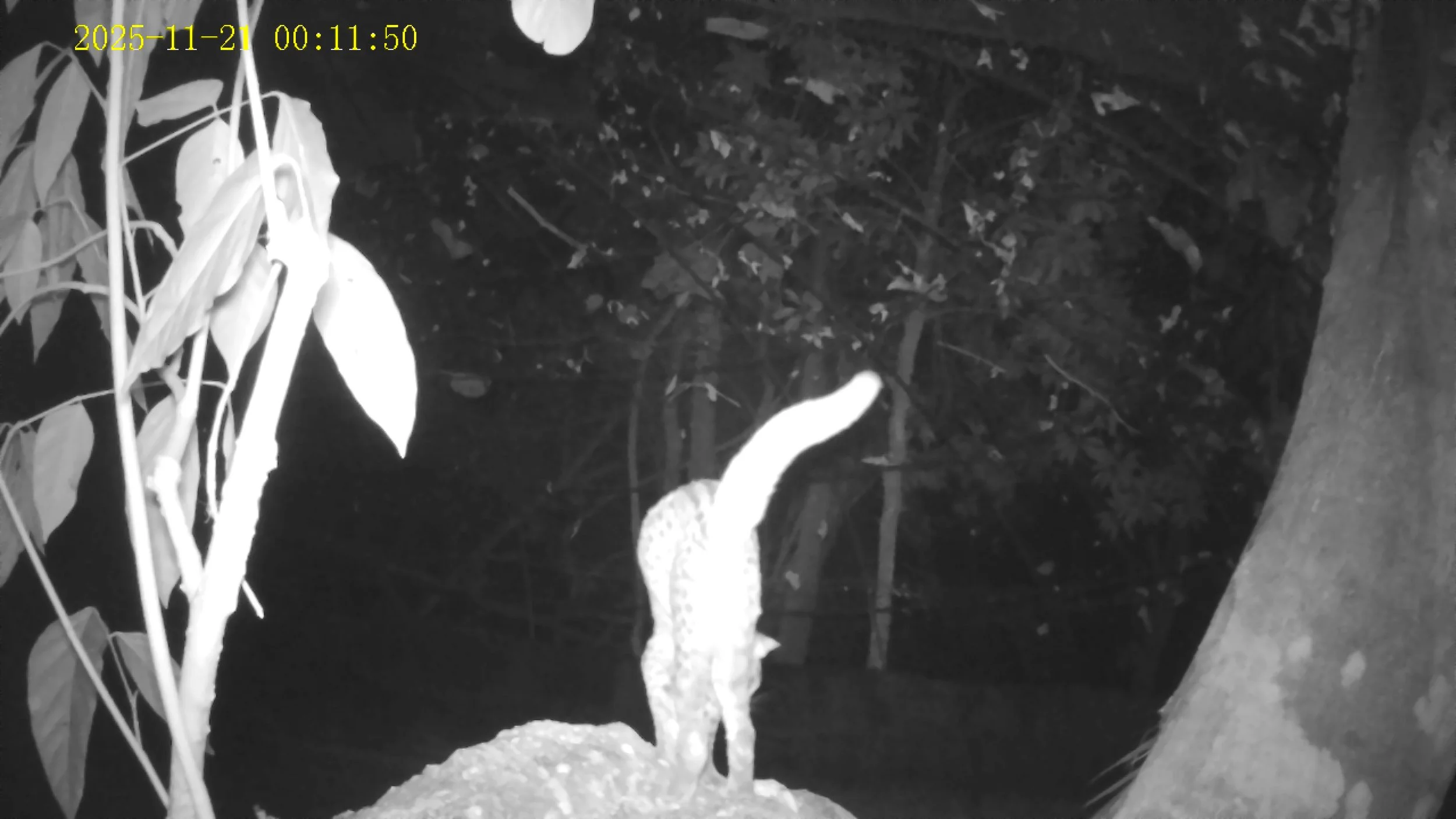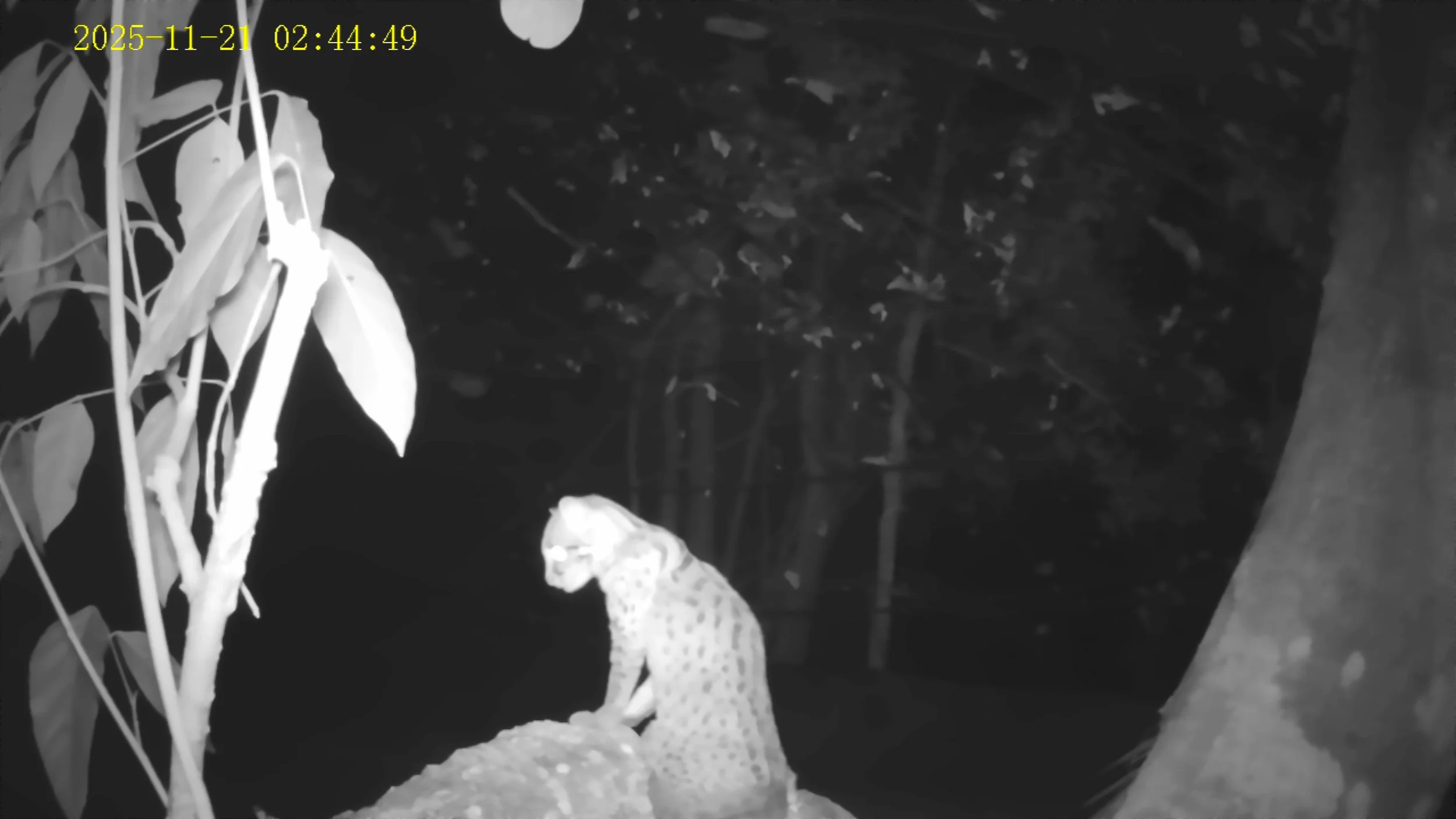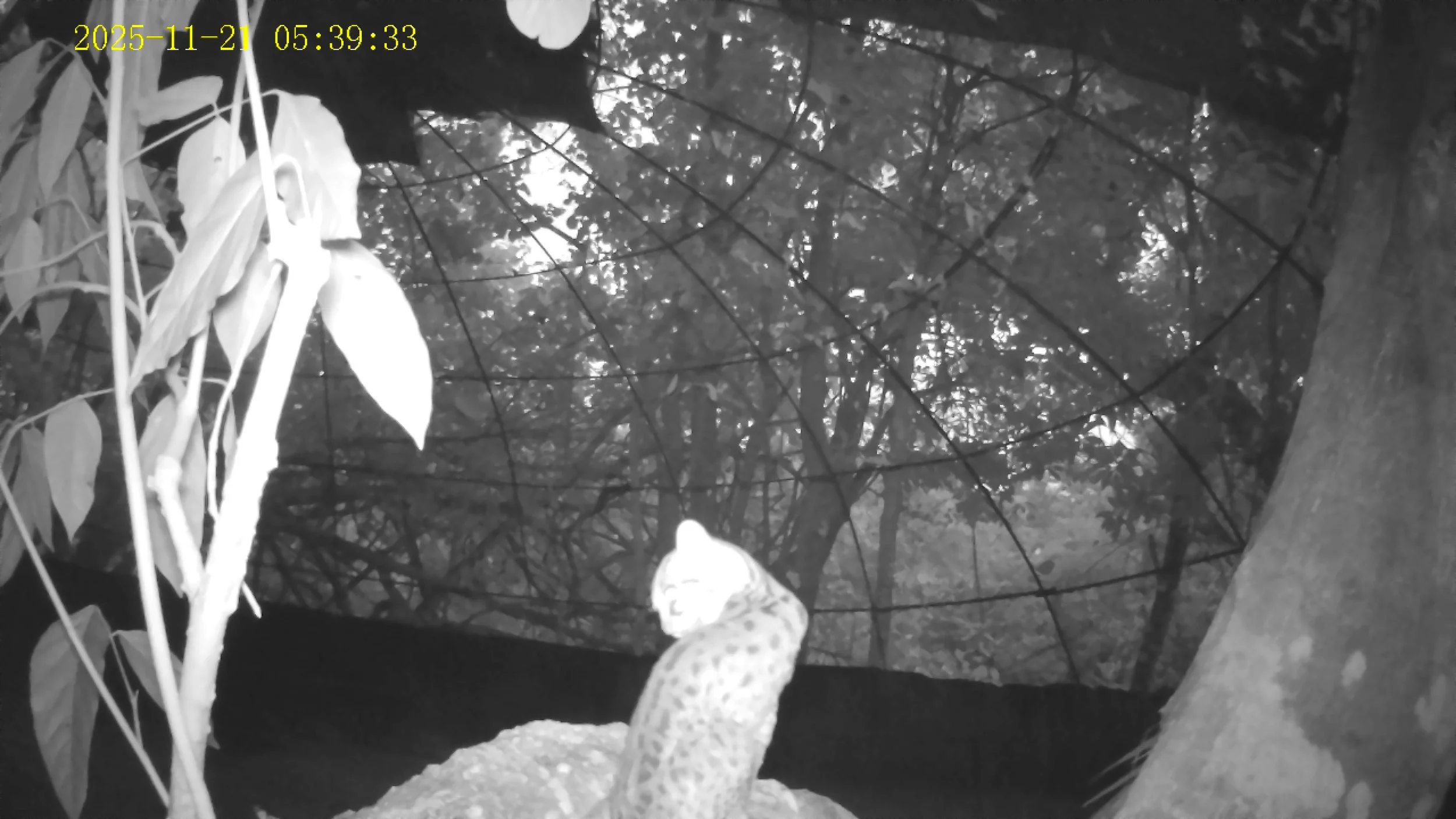
Who are the Leopard Cats ?
Meet the Leopard Cat: The Miniature Wild Hunter of Asia
Common Name: Leopard Cat
Scientific Name: Prionailurus bengalensis
Habitat: Forests, plantations, and grasslands across Asia
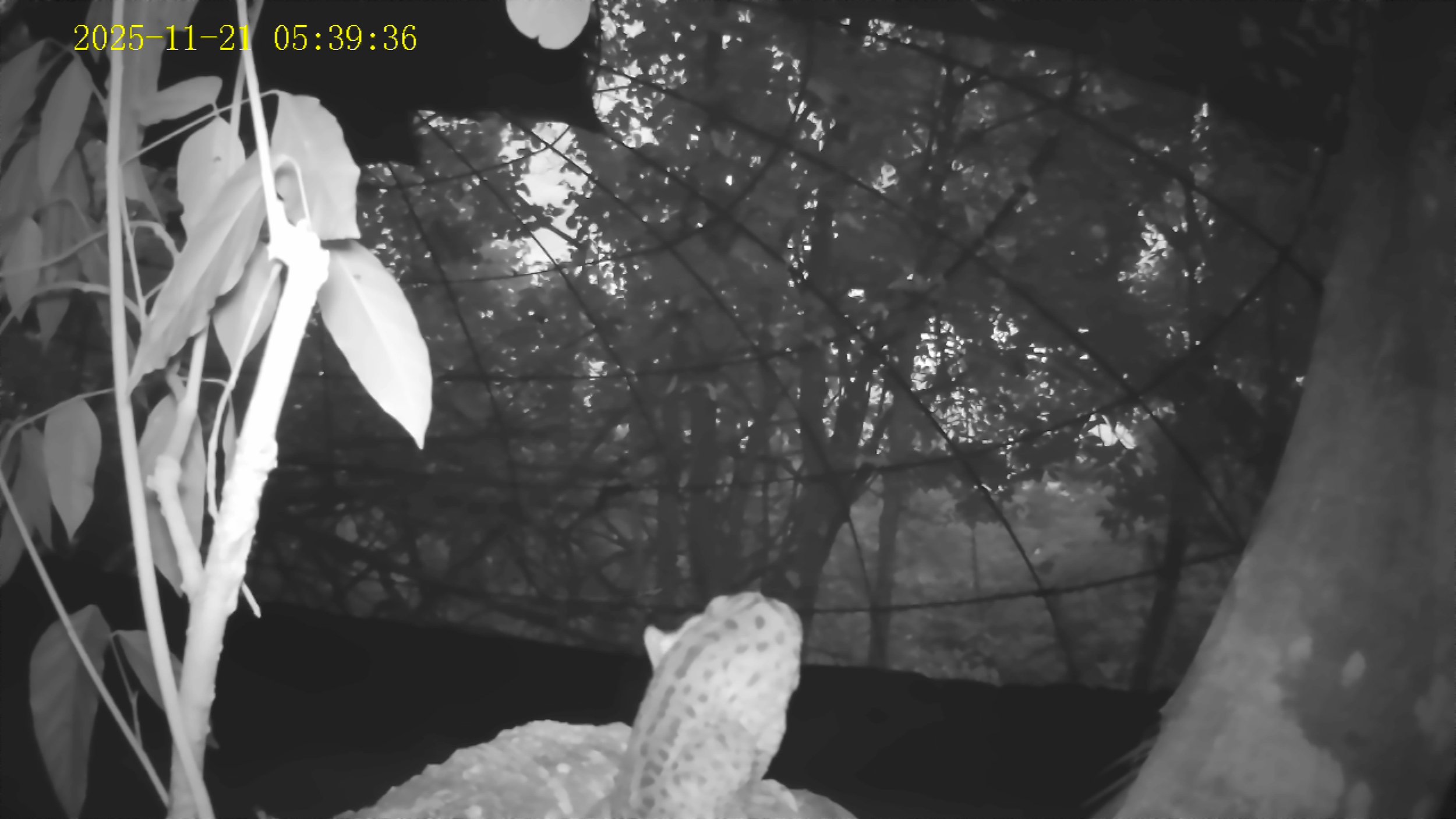
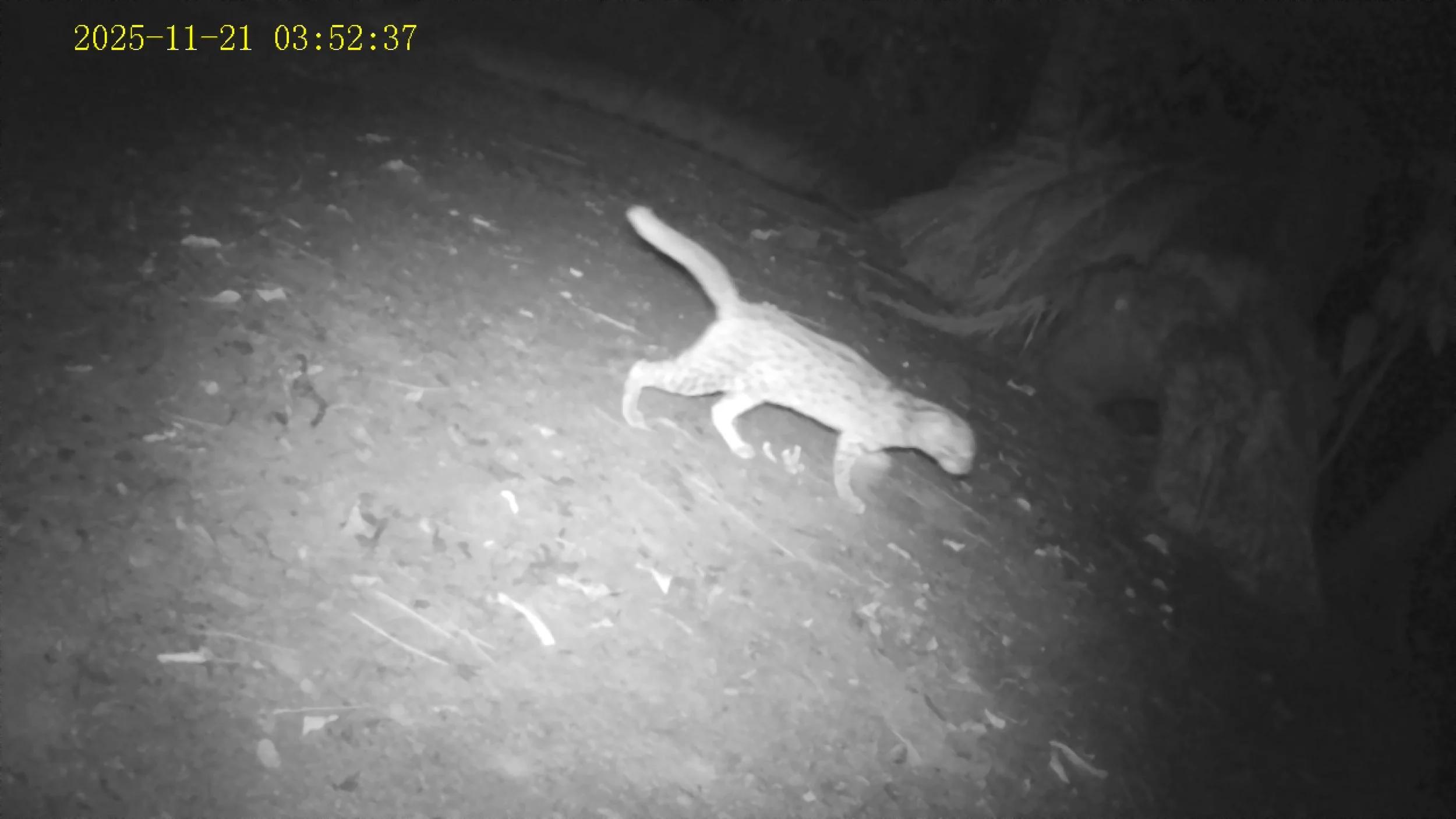
Activity Pattern: Mostly nocturnal (active at night)
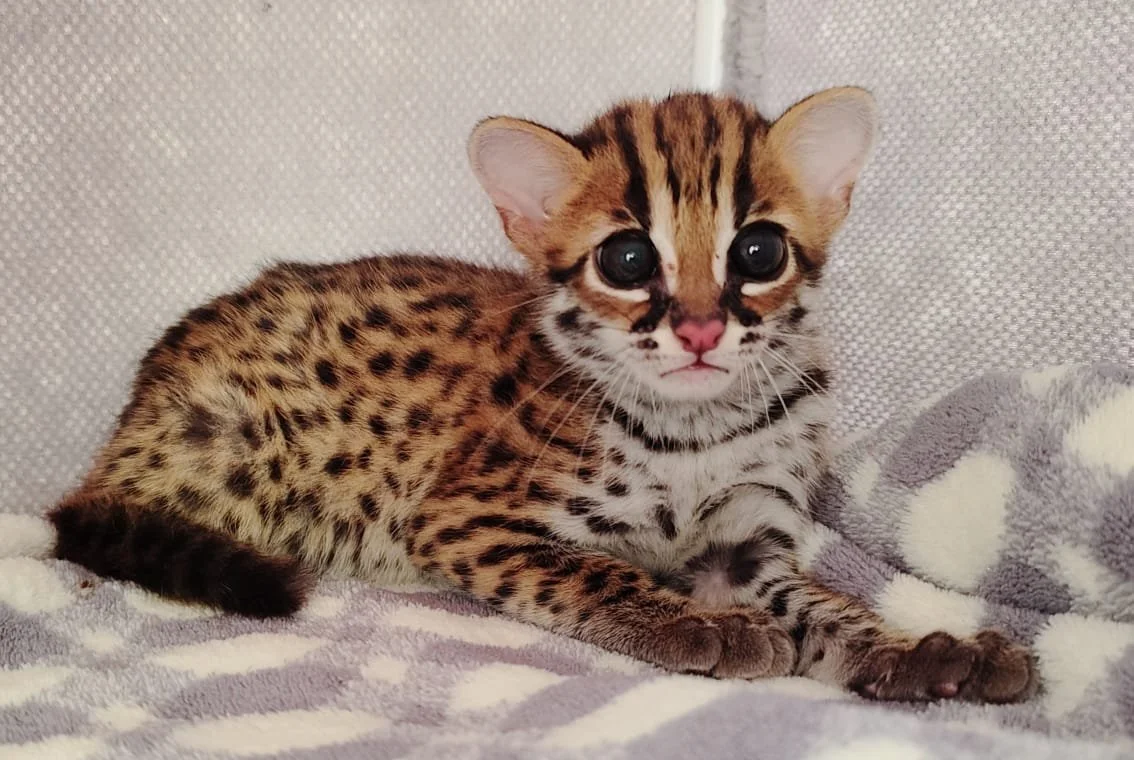
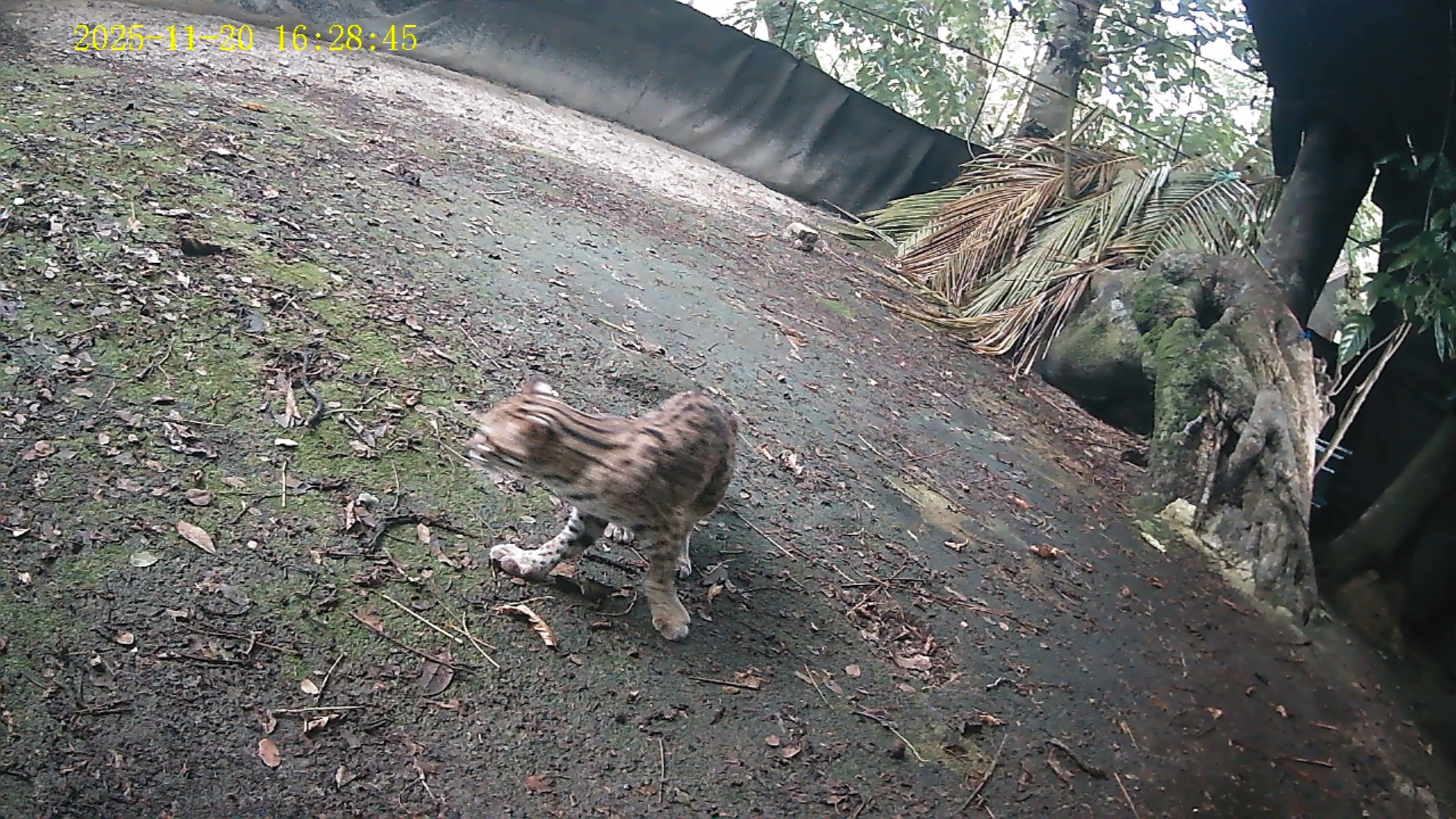
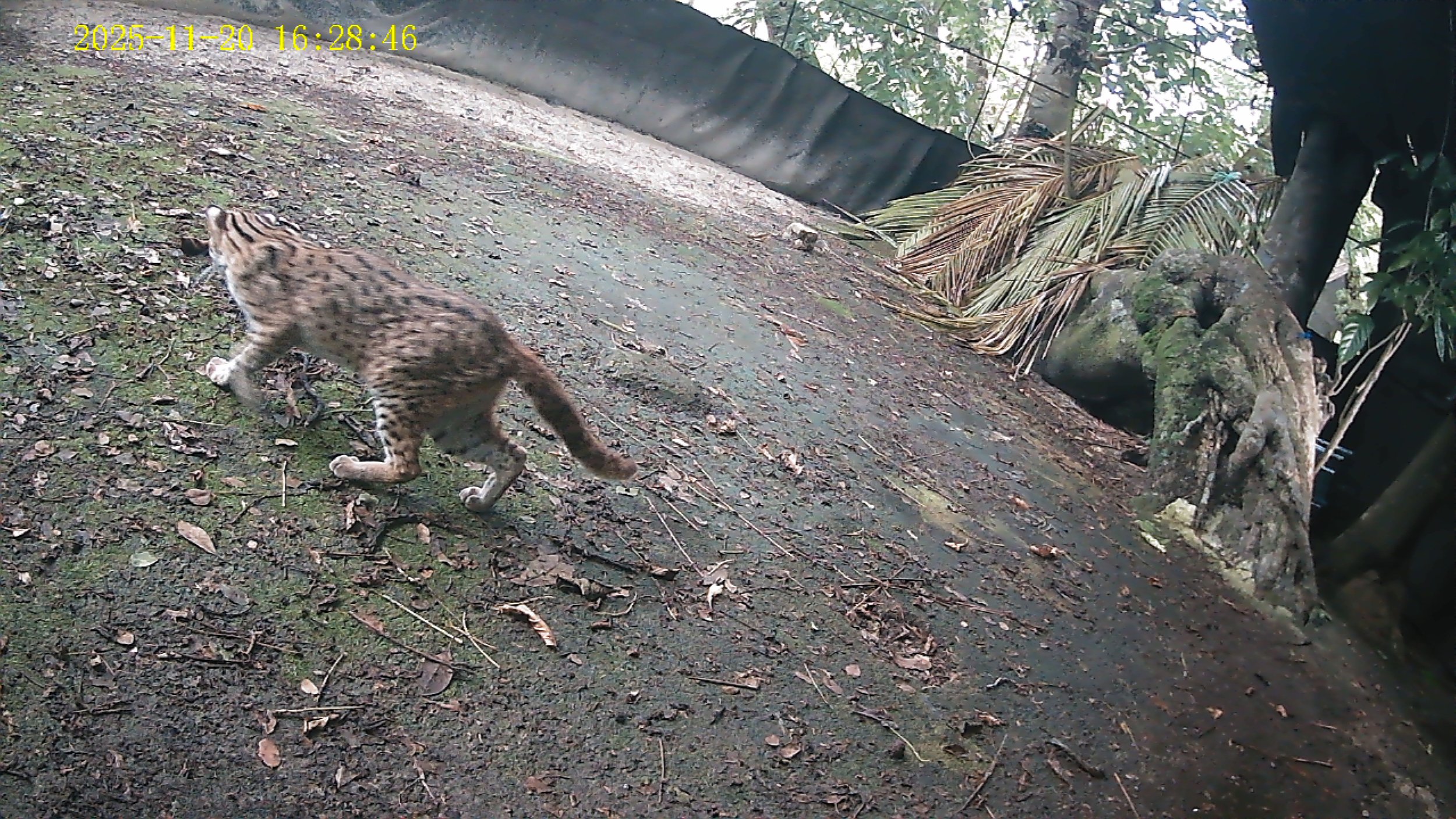
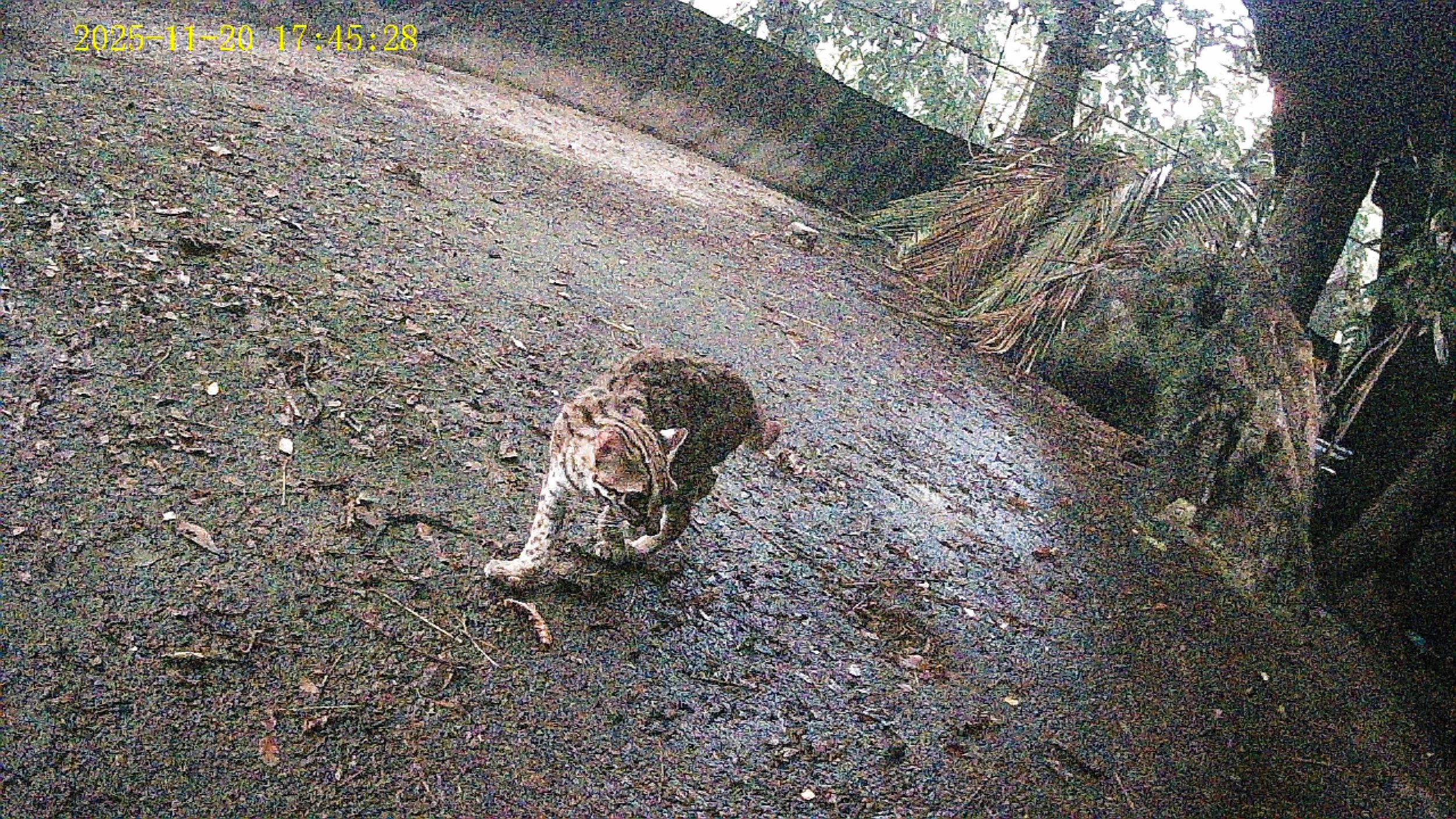
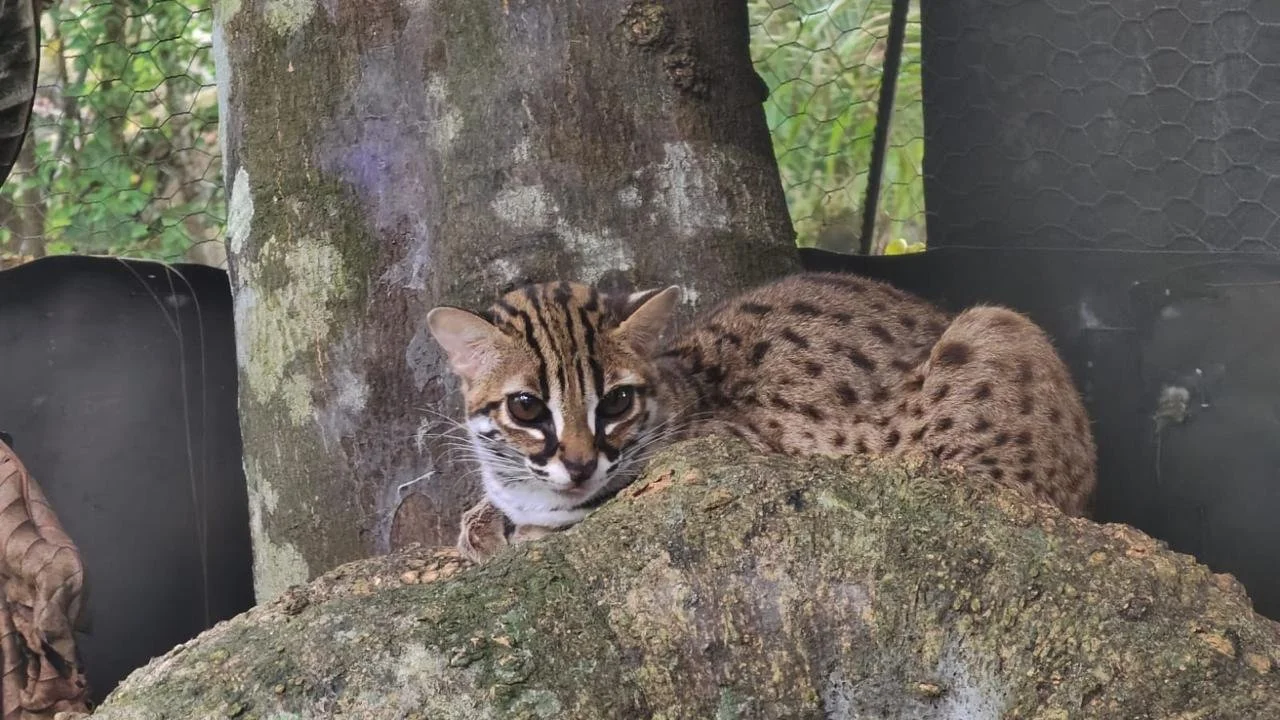
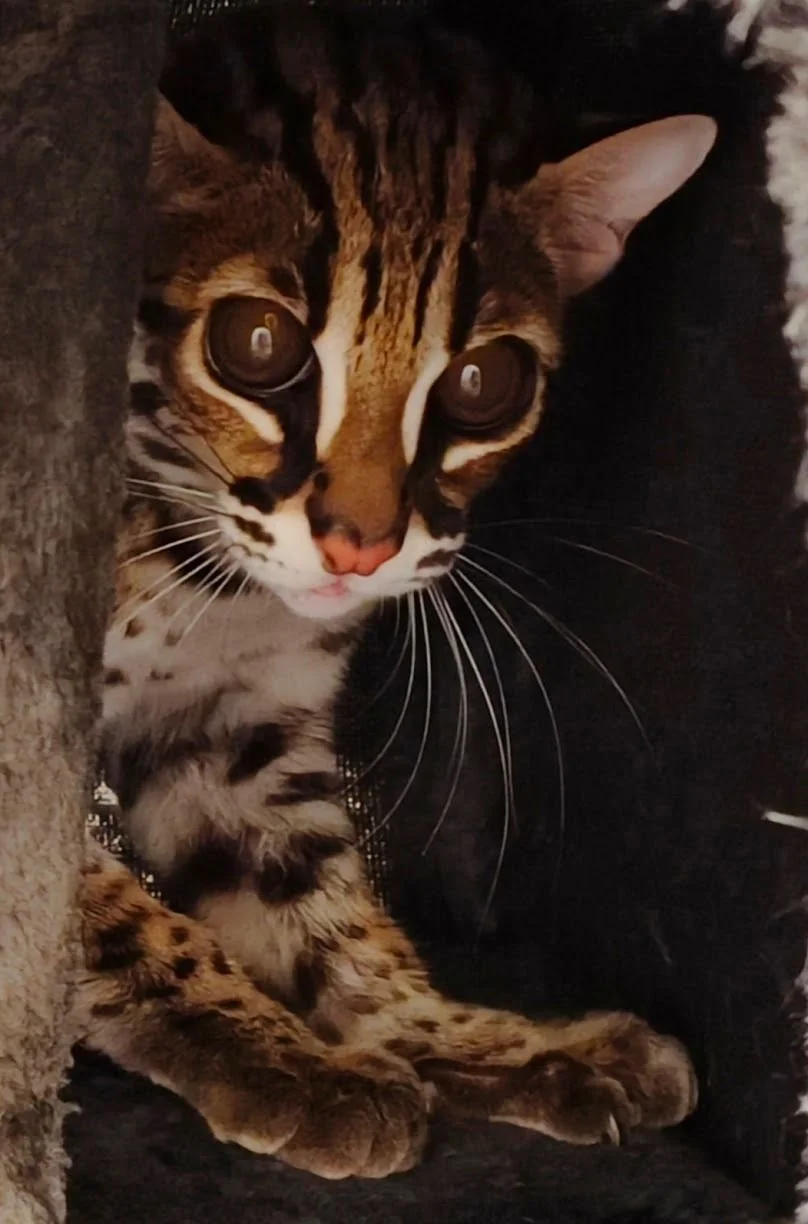
Its striking coat is another key feature. The leopard cat’s fur ranges from yellowish to gray and is covered with bold black spots and stripes. This “mini-leopard” look is not just beautiful—it acts as natural camouflage, helping the cat blend into forest shadows and tall grass while hunting or hiding from danger.
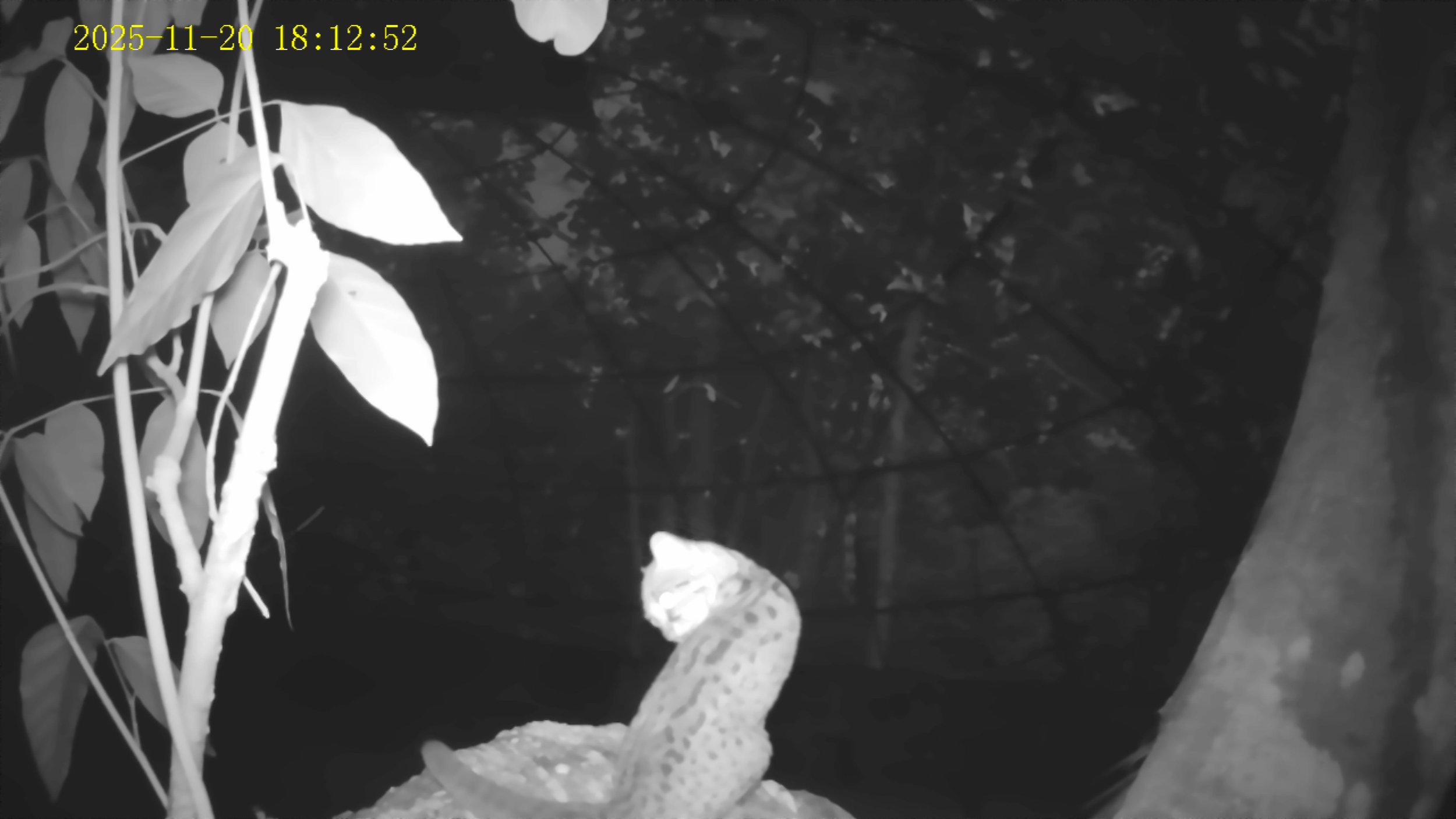
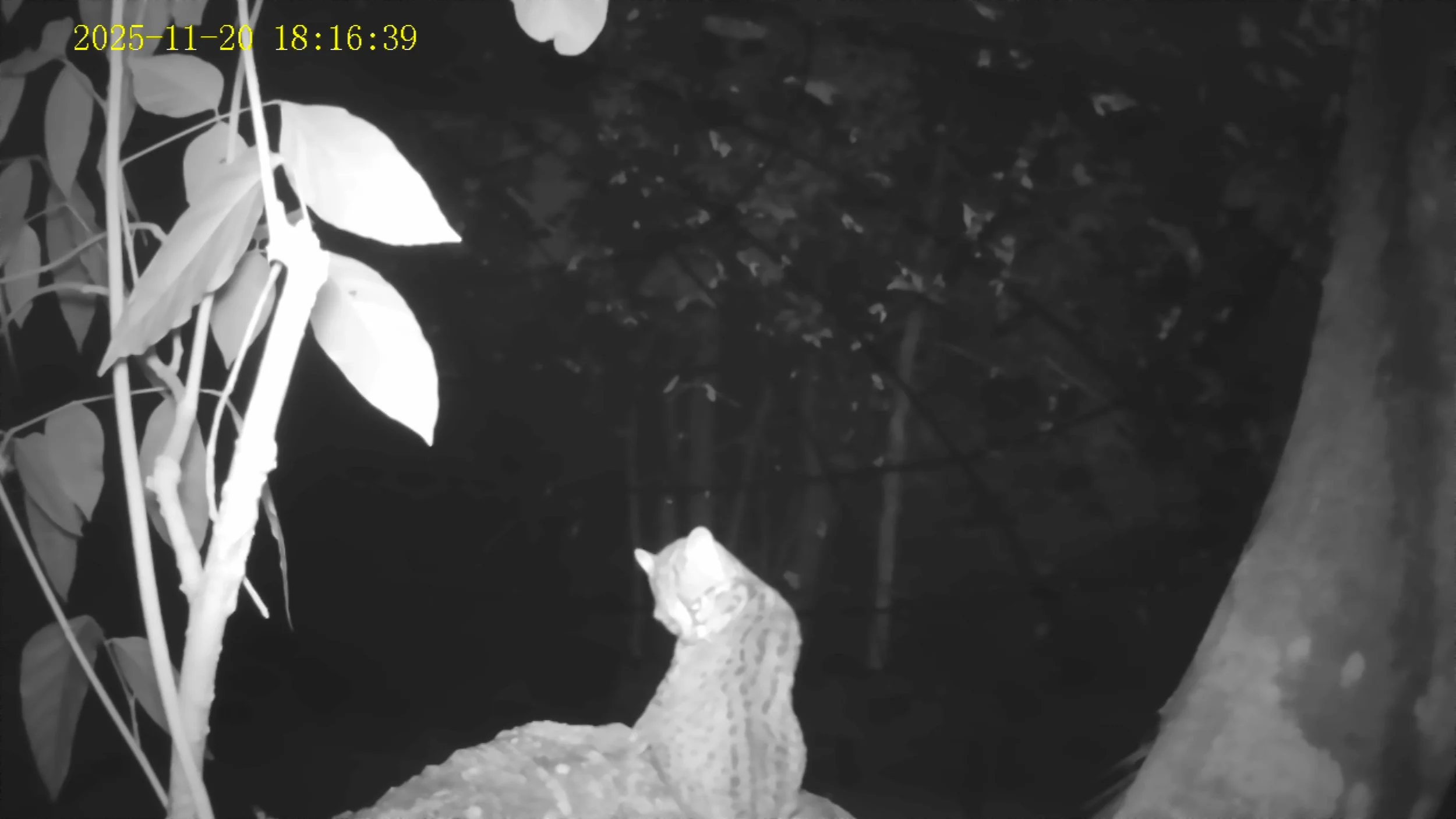
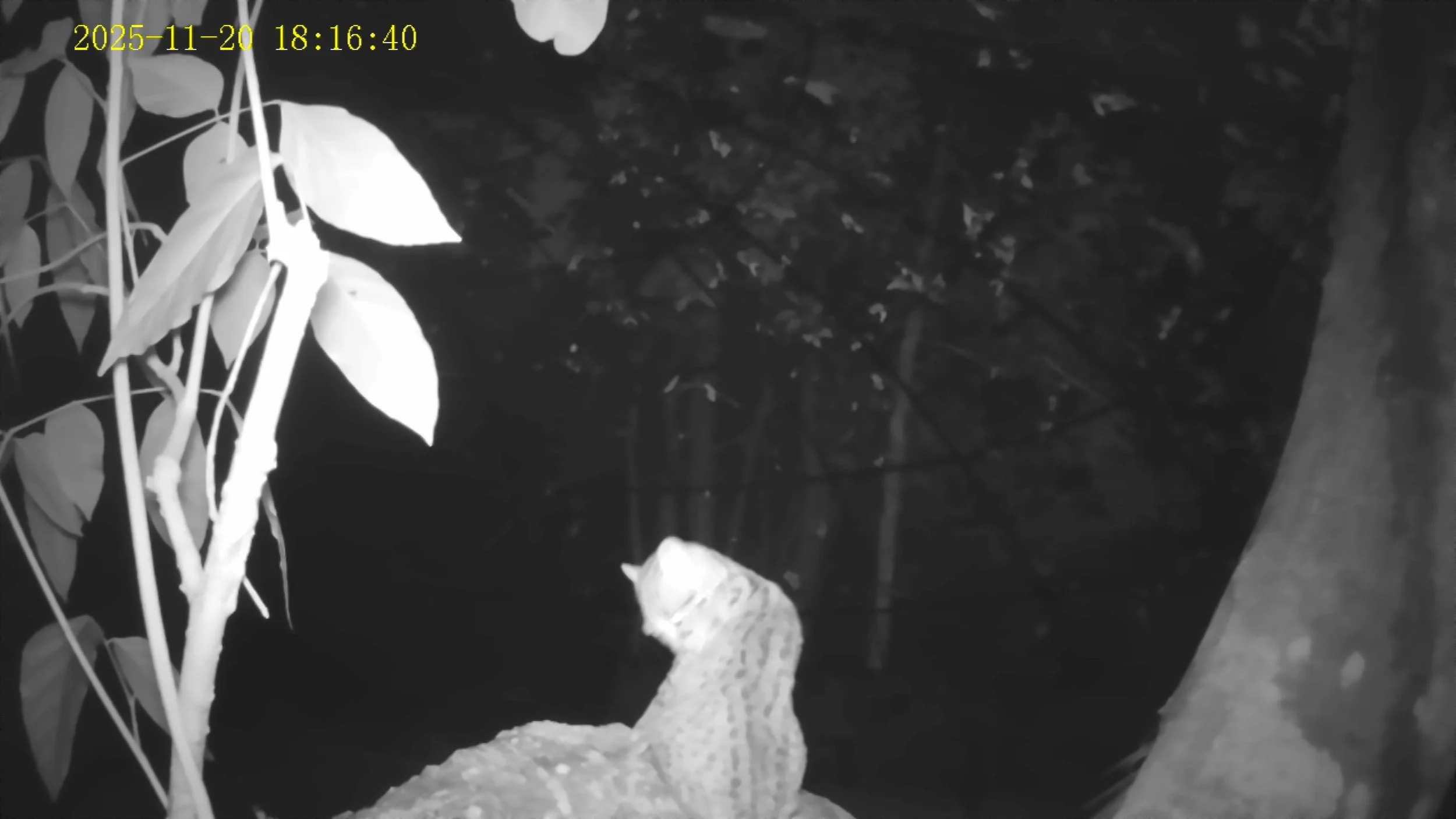
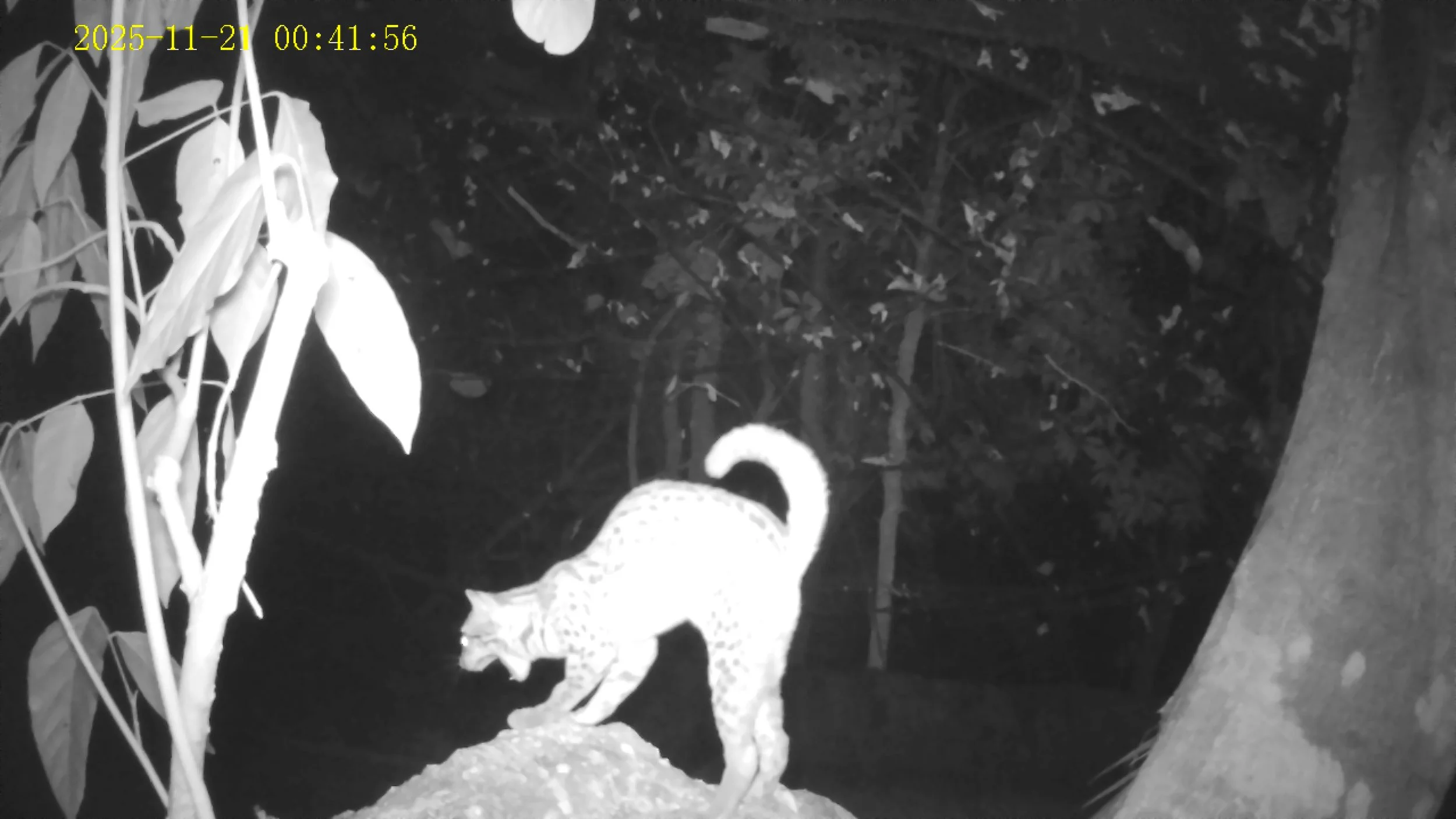
Leopard cats are mainly active at night. Under the cover of darkness, they quietly search for food such as rodents, birds, reptiles, insects, and even fish. By hunting these animals, leopard cats help control pest populations and keep ecosystems balanced.
They are also skilled climbers. Unlike many small cats, leopard cats are comfortable in trees, where they can rest, escape predators, and sometimes even hunt from above. Their long tail helps them balance as they move along branches.
By nature, leopard cats are solitary animals. They prefer to live and hunt alone, coming together only during the mating season. Each individual keeps its own territory and marks it with scent, sending a clear message to other cats to stay away.
The leopard cat (Prionailurus bengalensis) may look like a house cat in a wild outfit, but don’t be fooled—this petite predator is one of Asia’s most successful small wildcats. Found from India and China to Southeast Asia and Indonesia, the leopard cat thrives in forests, grasslands, wetlands, and even near human settlements.
What makes the leopard cat special is its perfect balance of size, strength, and skill. Although it is only about as big as a large domestic cat, its body is built for speed and agility. With long legs, a slim frame, and sharp claws, it moves easily through dense vegetation and across uneven forest ground.
Physical Traits
About the size of a large domestic cat
Yellowish to gray fur with black spots and stripes
Long legs and slim, athletic body
Long tail for balance when climbing
Sharp claws and strong jaws
Diet and Behaviour
Eats rodents, birds, reptiles, insects, and fish
Nocturnal (active at night)
Excellent climber and swimmer
Solitary and territorial
Reproduction and Life Cycle
Gestation: About 60–70 days
Litter size: Usually 2–4 kittens
Birth: Kittens are born blind and helpless
Independence: Around 3–4 months
Sexual maturity: Around 8–10 months
The leopard cat is currently listed as Least Concern on a global level, which means the species is not considered endangered worldwide. This is because leopard cats are widely distributed across Asia and can adapt to many different habitats.
Conservation Status
However, even though the species as a whole is not in immediate danger, local populations are declining in several areas. In places where forests are being cut down or turned into farmland and cities, leopard cats are losing their natural homes and food sources.
The main threats to leopard cats come from habitat loss, poaching and illegal wildlife trade, and road kills caused by traffic and human conflict. As people move closer into wild areas, leopard cats are more likely to be hunted, trapped, or accidentally killed. Protecting forests and promoting coexistence between humans and wildlife are key to keeping leopard cats safe in the future.