Meet Nuri : The Colorful Voices of Indonesia’s Forests
Indonesia’s forests are filled with extraordinary parrots, and two of the most striking are the Nuri Bayan and the Nuri Kabare. Both are intelligent, expressive, and deeply connected to their forest homes. While very different in appearance, they share the same fate: their future depends on how well we protect Indonesia’s wild places.
Physical Traits
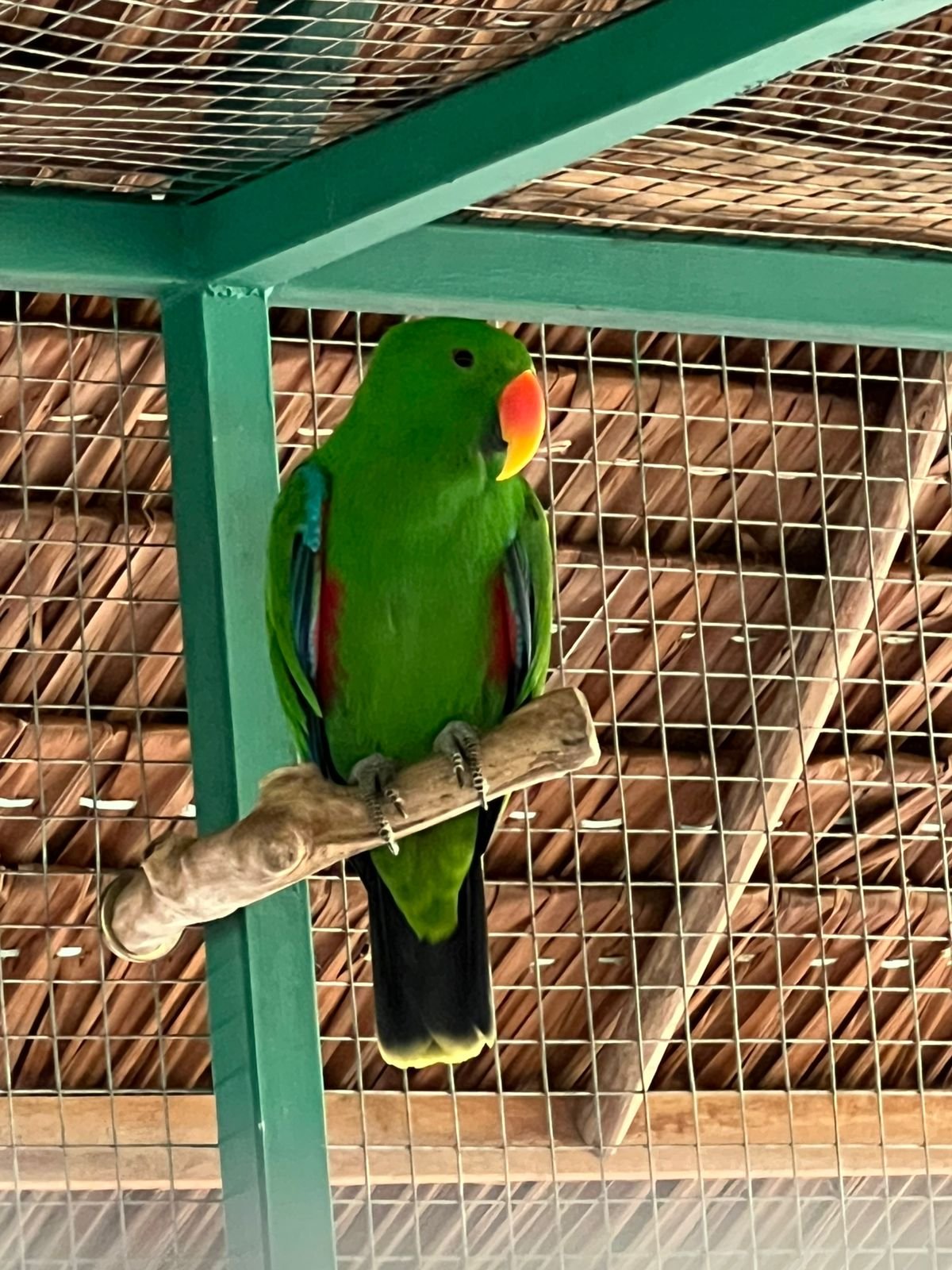
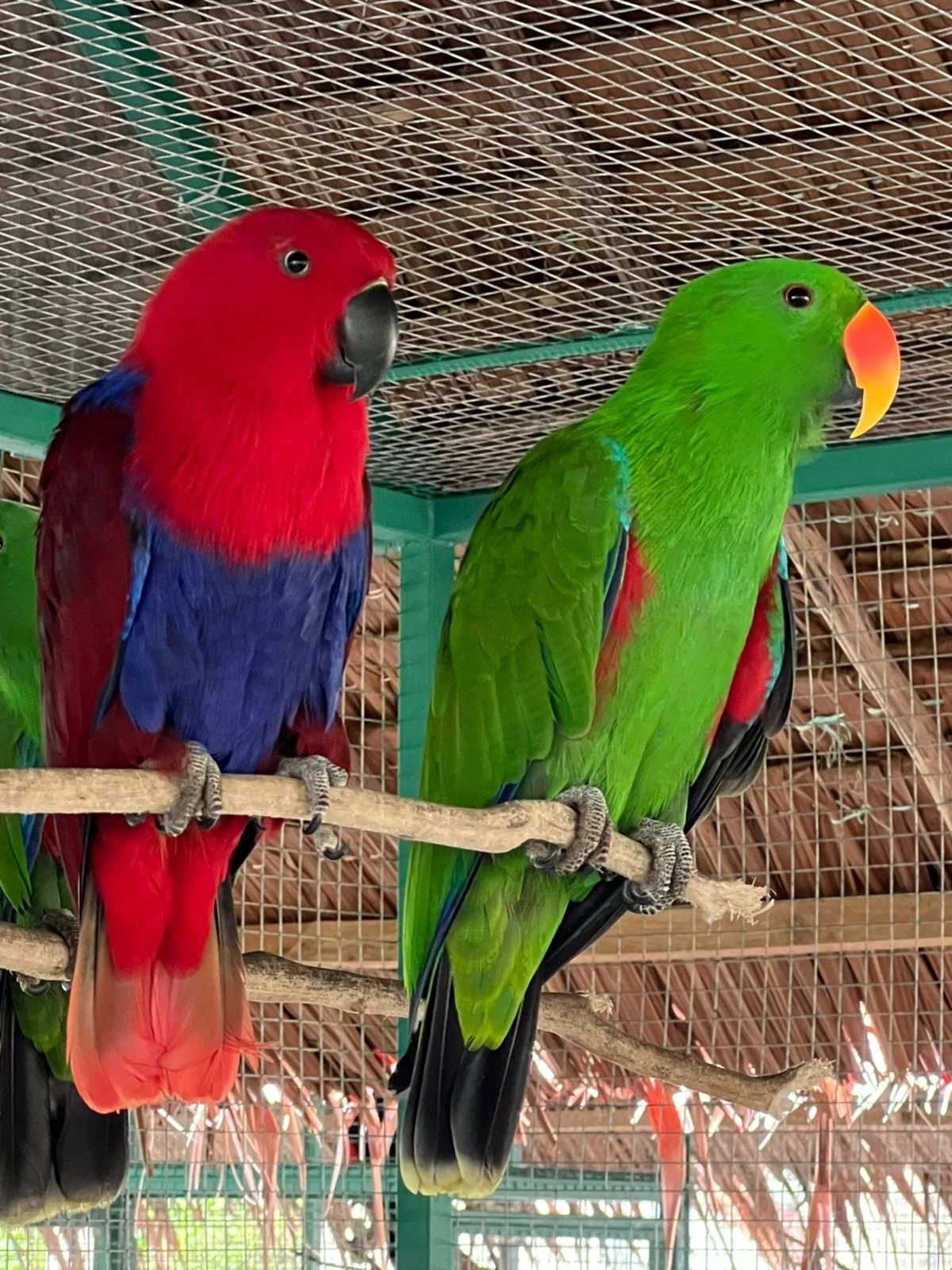
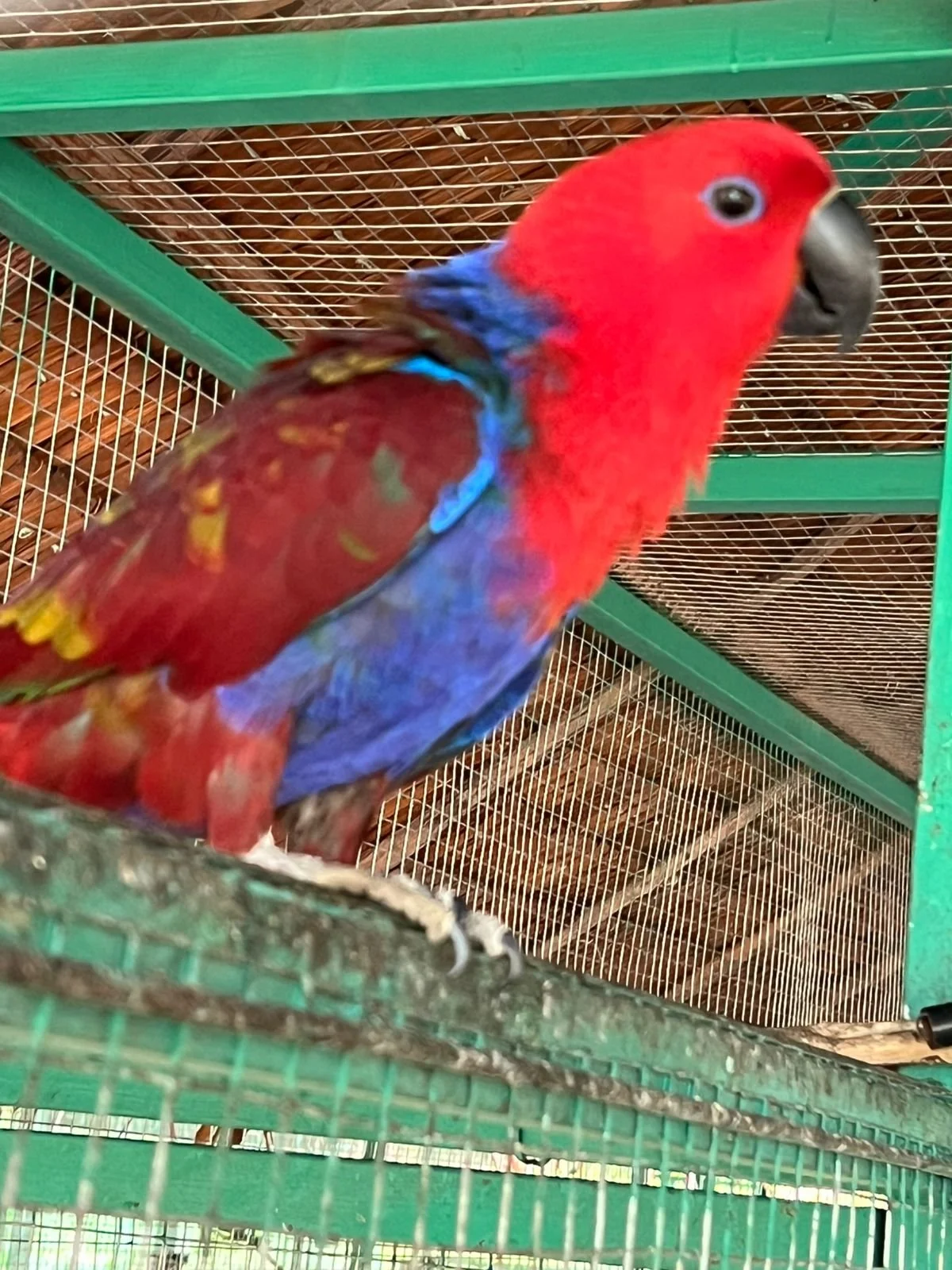
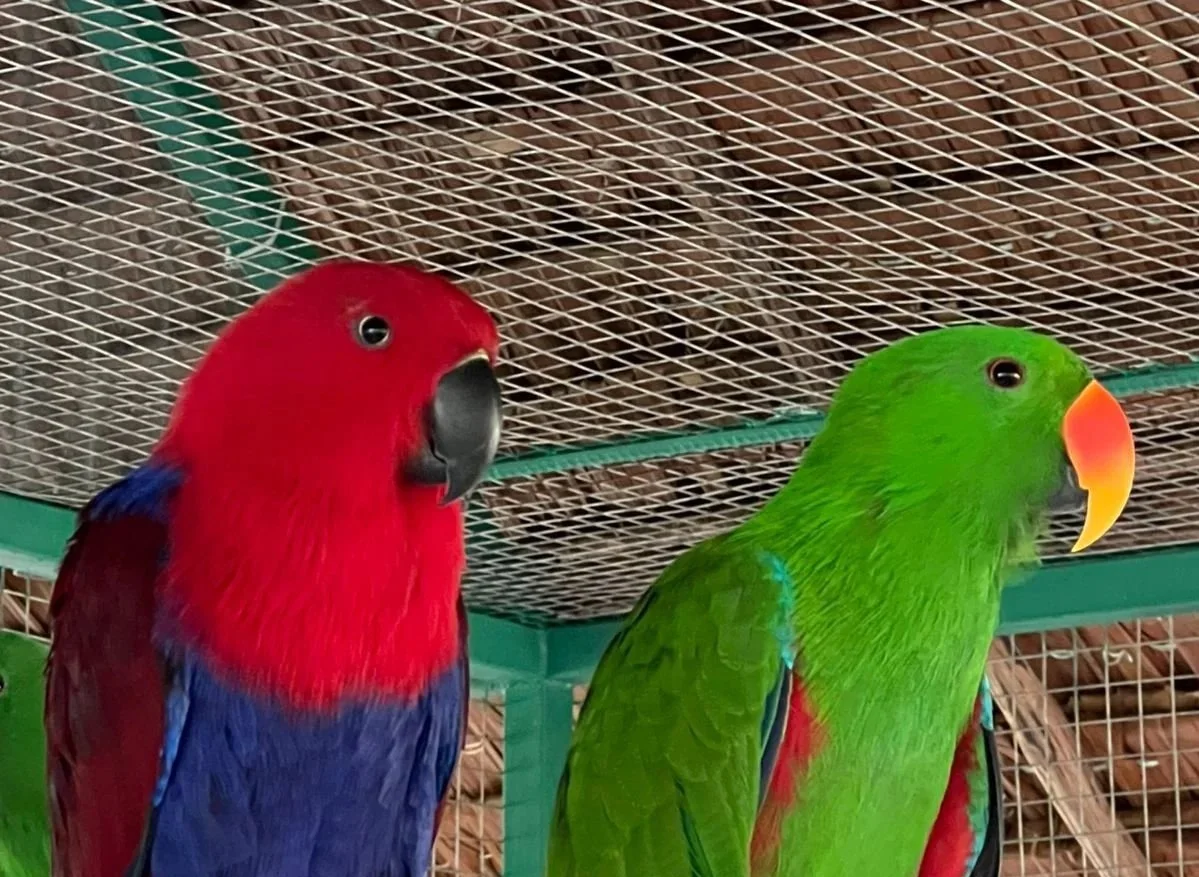
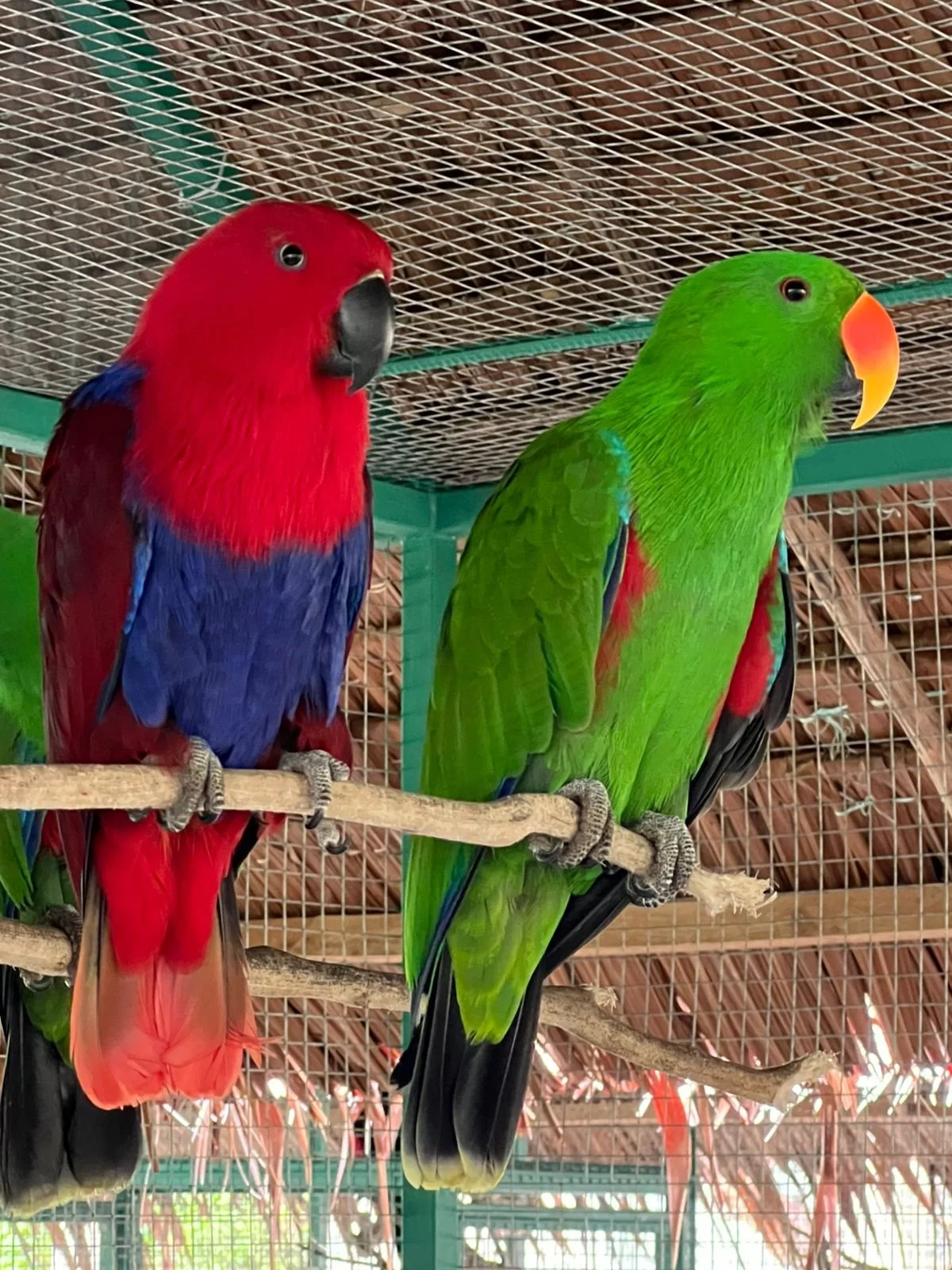
The Nuri Bayan is famous for its extreme color difference between males and females. Males are bright green with orange beaks, while females are deep red with purple-blue chests and black beaks. They are medium-sized parrots with long tails and smooth, glossy feathers.
Diet & Behaviour
Nuri Bayan feed mostly on fruits, seeds, buds, and flowers. They are calm but curious birds that live in forest canopies. Unlike many parrots, they prefer quiet observation rather than loud flocking, and they move gracefully between trees while foraging.
Reproduction & Life Cycle
They nest in tall tree hollows. The female stays in the nest while the male brings food. Usually 1–2 chicks are raised, and they grow slowly, staying dependent on their parents for months before learning to fly and feed on their own.
Conservation Status
Globally listed as Least Concern, but local populations in Indonesia are declining due to habitat loss and illegal capture for the pet trade. Protection of nesting trees is essential for their survival
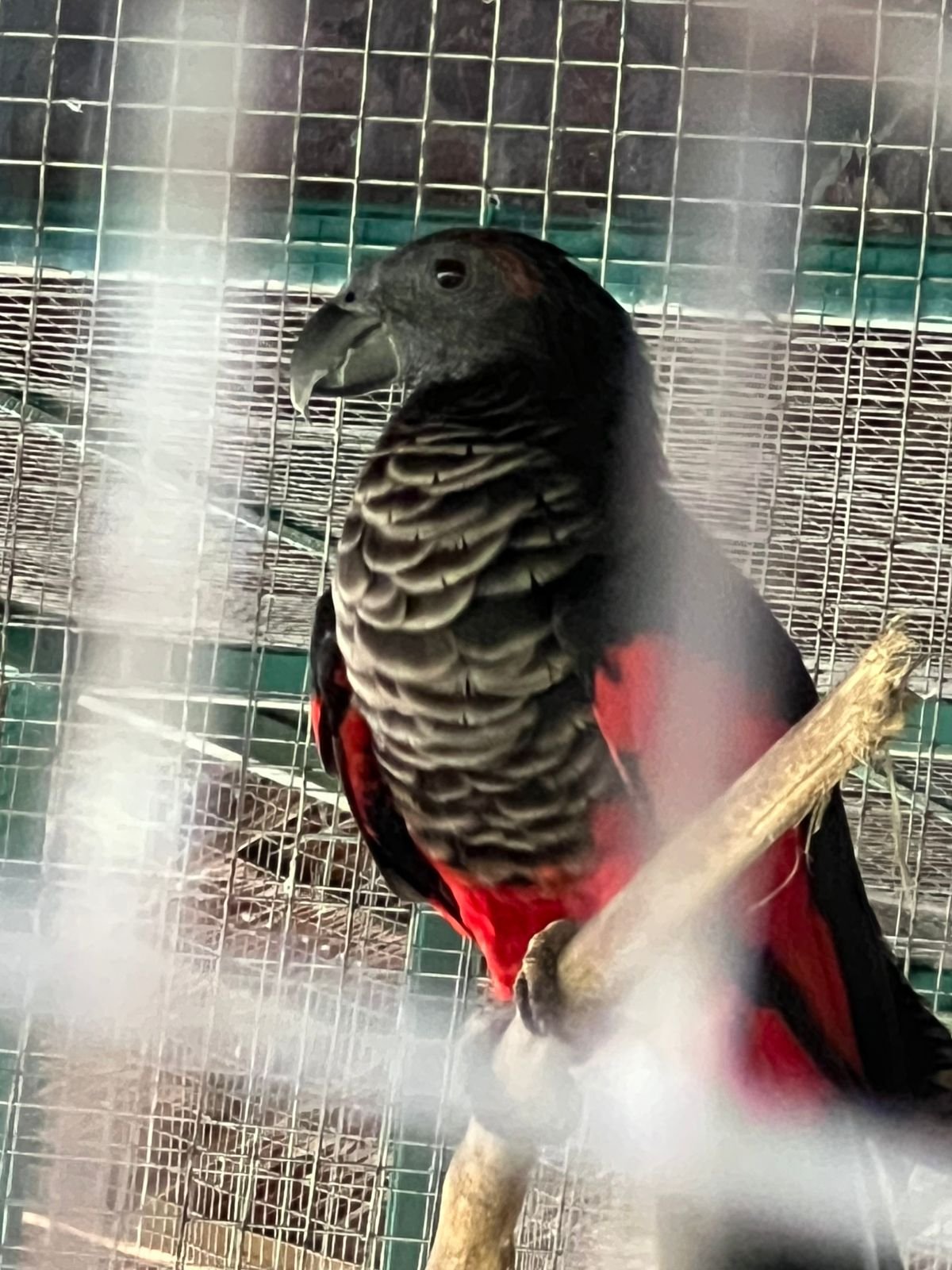
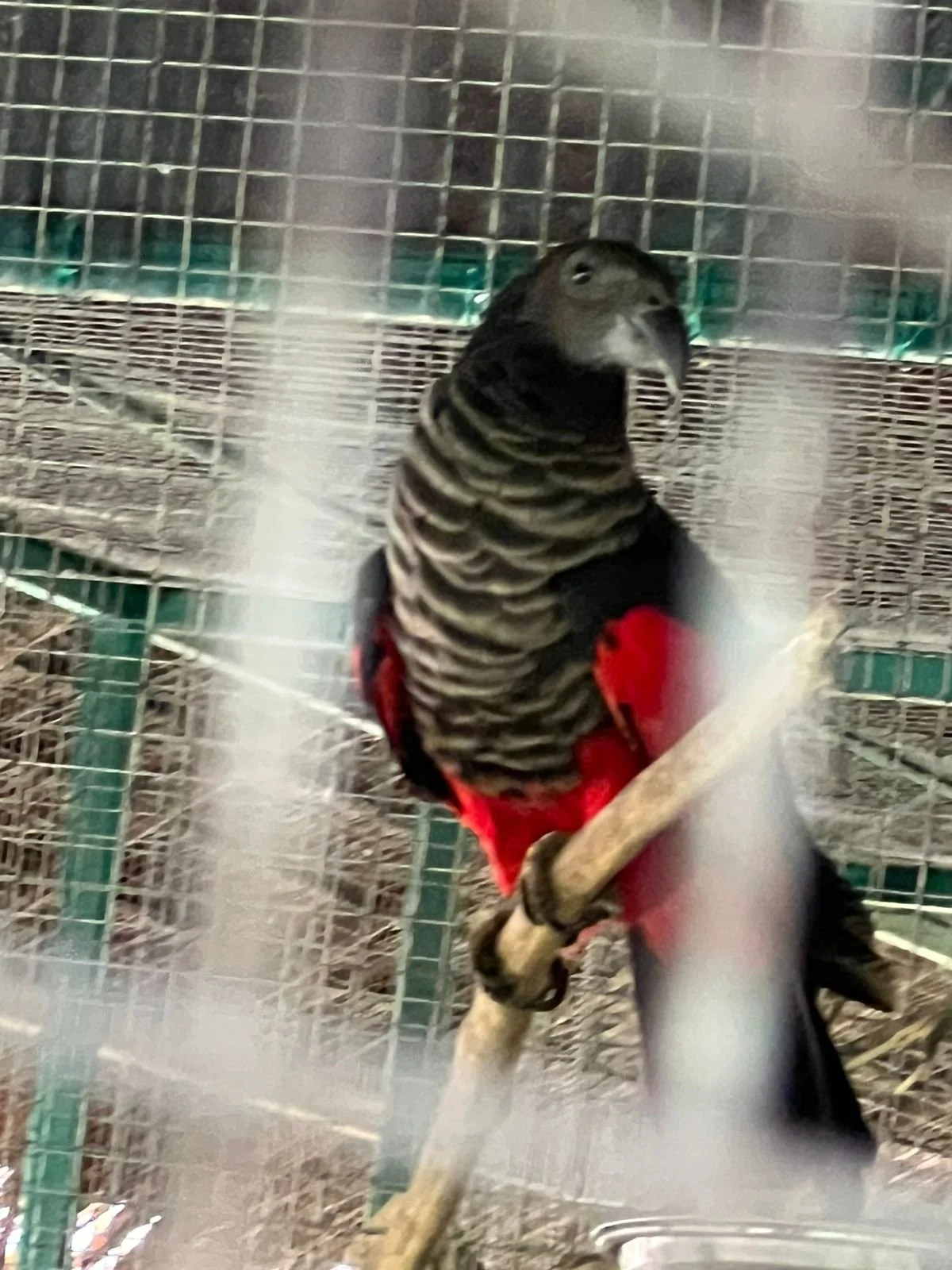
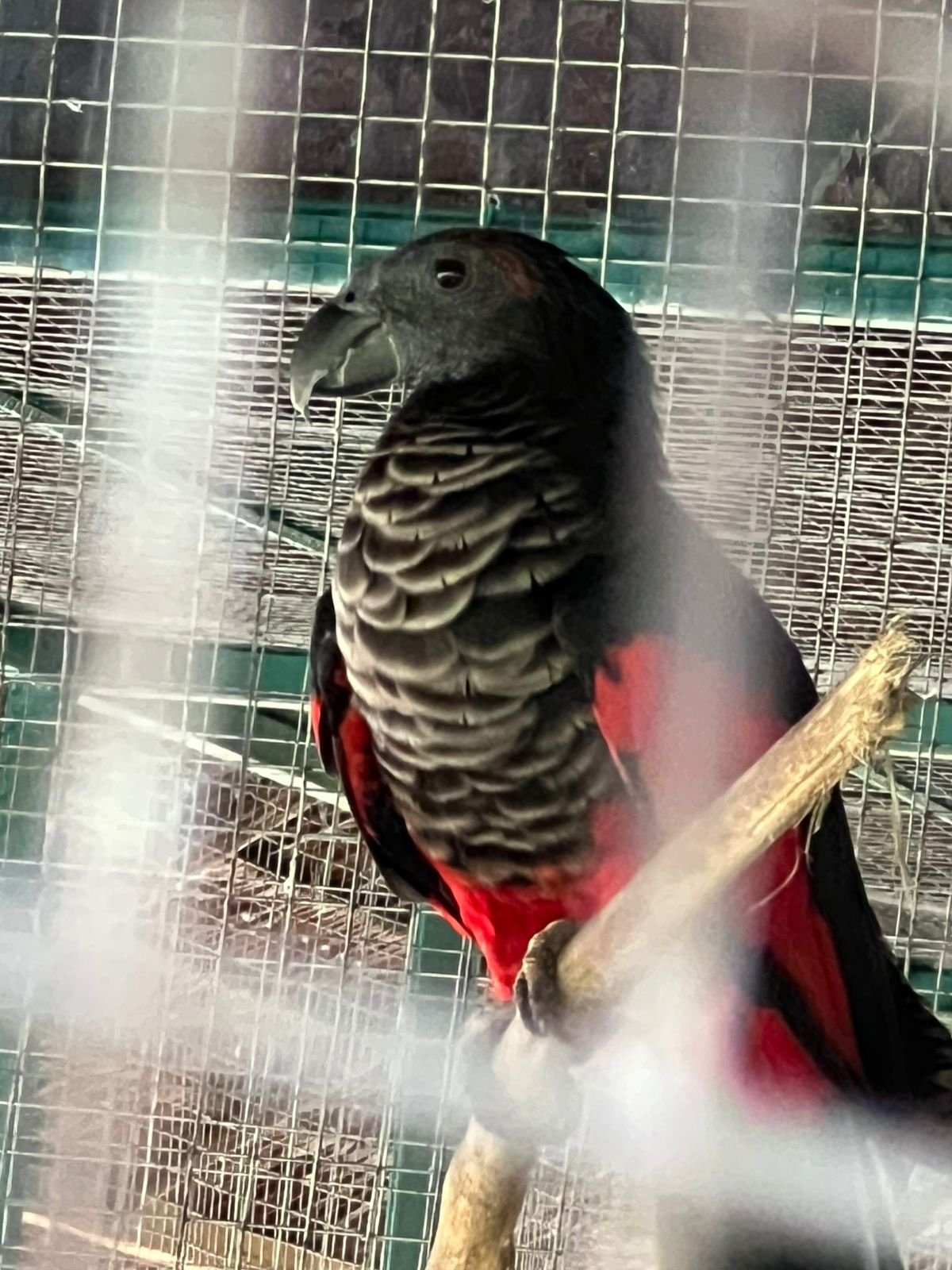
Nuri Kabare - Palm Cockatoo (Probosciger aterrimus)
Nuri Bayan - Electus Parrot (Probosciger roratus)
Physical Traits
Nuri Kabare is large, powerful, and dramatic in appearance. It has black feathers, a massive curved beak, and bright red cheek patches that change color with emotion. Its long crest gives it a bold, ancient look.
Diet & Behaviour
This species feeds on hard nuts, seeds, fruits, and forest plants. It is known for its intelligence and unique behavior—some individuals even use sticks to drum on trees as a form of communication. Nuri Kabare are usually seen alone or in pairs and are very territorial.
Reproduction & Life Cycle
They nest in large tree hollows. Only one chick is usually raised at a time. The parents invest a lot of energy into caring for their young, which means population growth is naturally slow.
Conservation Status
Listed as Near Threatened globally. In Indonesia, especially Papua, they are threatened by habitat destruction and illegal trade. Because they reproduce slowly, even small losses have a big impact on the population.