Who Are The Pangolins ?
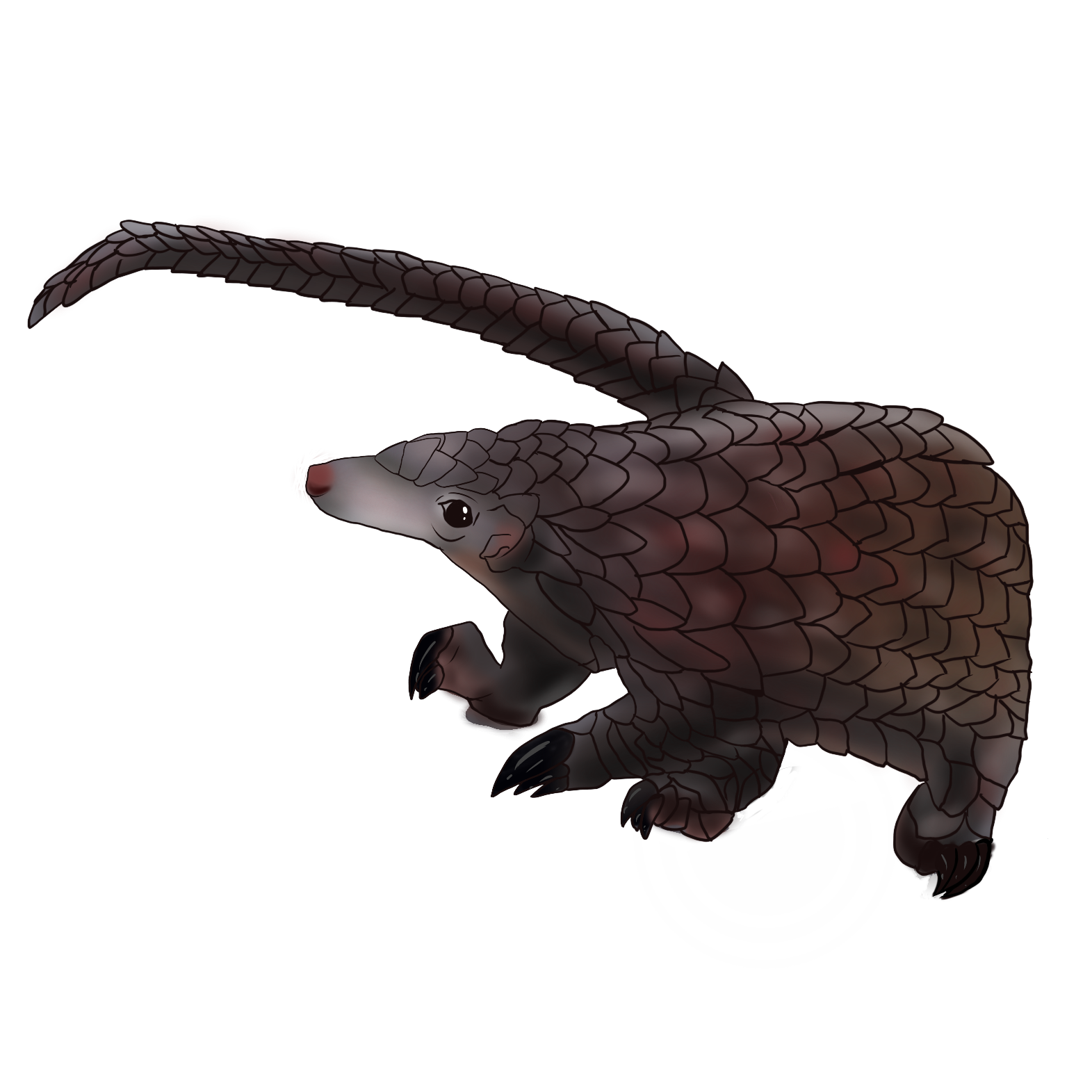
Meet the Pangolins : The World’s Only Scaly Mammals
Instead of fighting, pangolins rely on a unique defense. When threatened, they curl into a tight ball, hiding their soft face and belly while exposing only their hard scales. This armor protects them from most predators—but sadly not from humans
Pangolins are solitary and shy. They usually meet another pangolin only during mating season. Mothers carry their babies on their tail or back, and the young stay close for safety and warmth while learning how to survive in the wild.
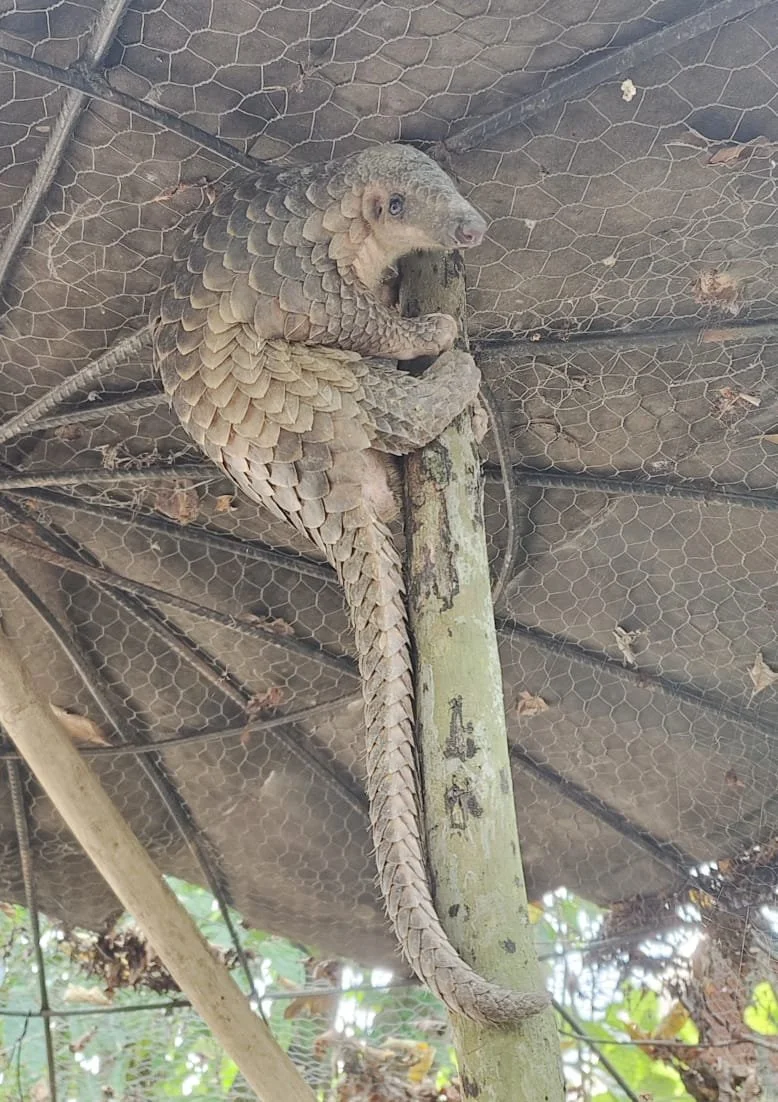
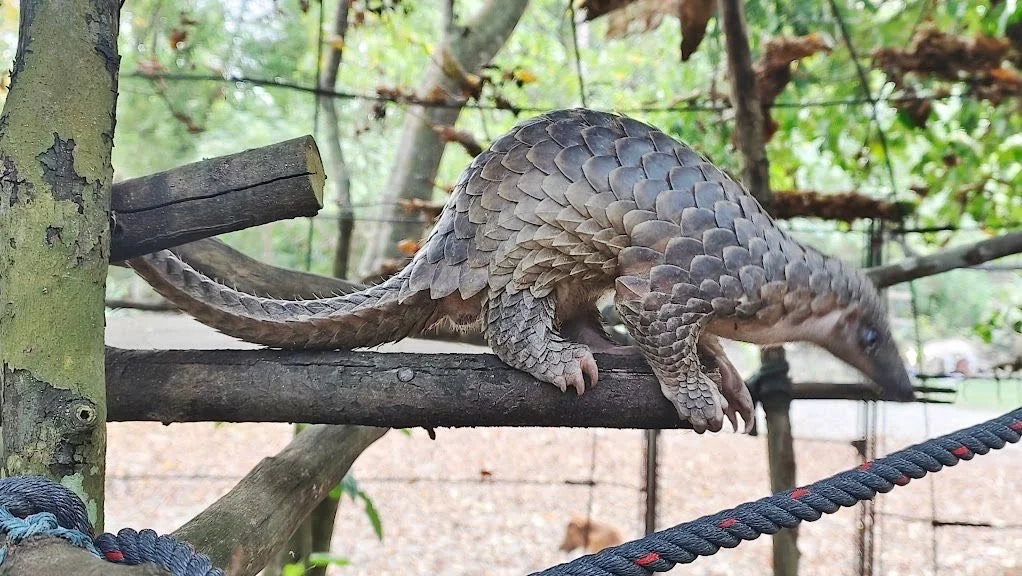
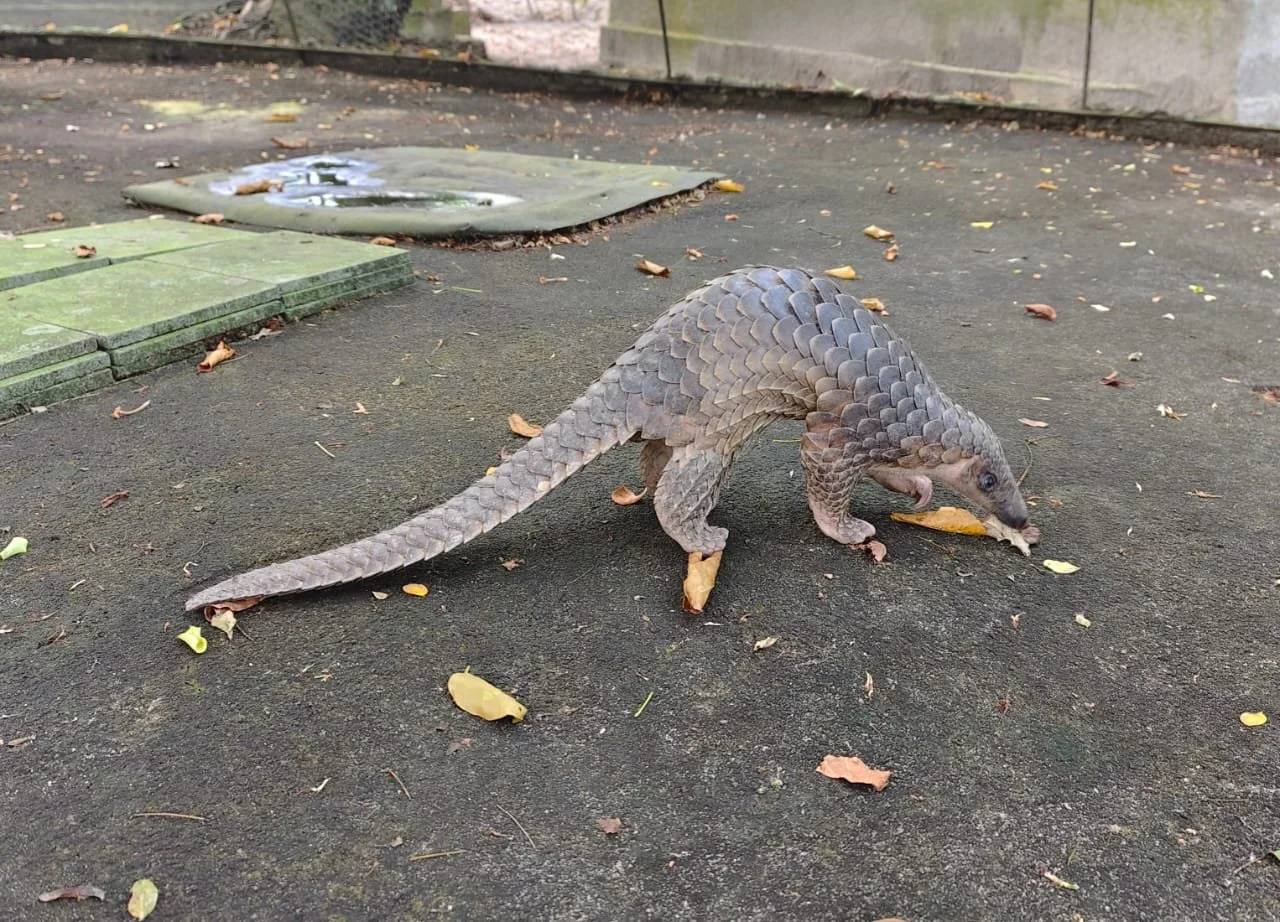
The pangolin is one of the most unusual mammals on Earth. Covered from head to tail in tough, overlapping scales, it looks more like a walking pinecone than a typical animal. Pangolins live in Asia and Africa; in Indonesia, the best-known species is the Sunda pangolin (Manis javanica). Despite their strange appearance, pangolins are gentle, quiet creatures that play a big role in keeping ecosystems healthy.
Pangolins are mostly active at night. They move slowly through forests and grasslands, using an excellent sense of smell to find ants and termites. With powerful claws they break open nests, then flick out a long, sticky tongue to collect insects. One pangolin can eat thousands of ants and termites in a single night, helping control pest populations naturally.
Common Name: Leopard Cat
Scientific Name: Prionailurus bengalensis
Habitat: Forests, plantations, and grasslands across Asia
Activity Pattern: Mostly nocturnal (active at night)
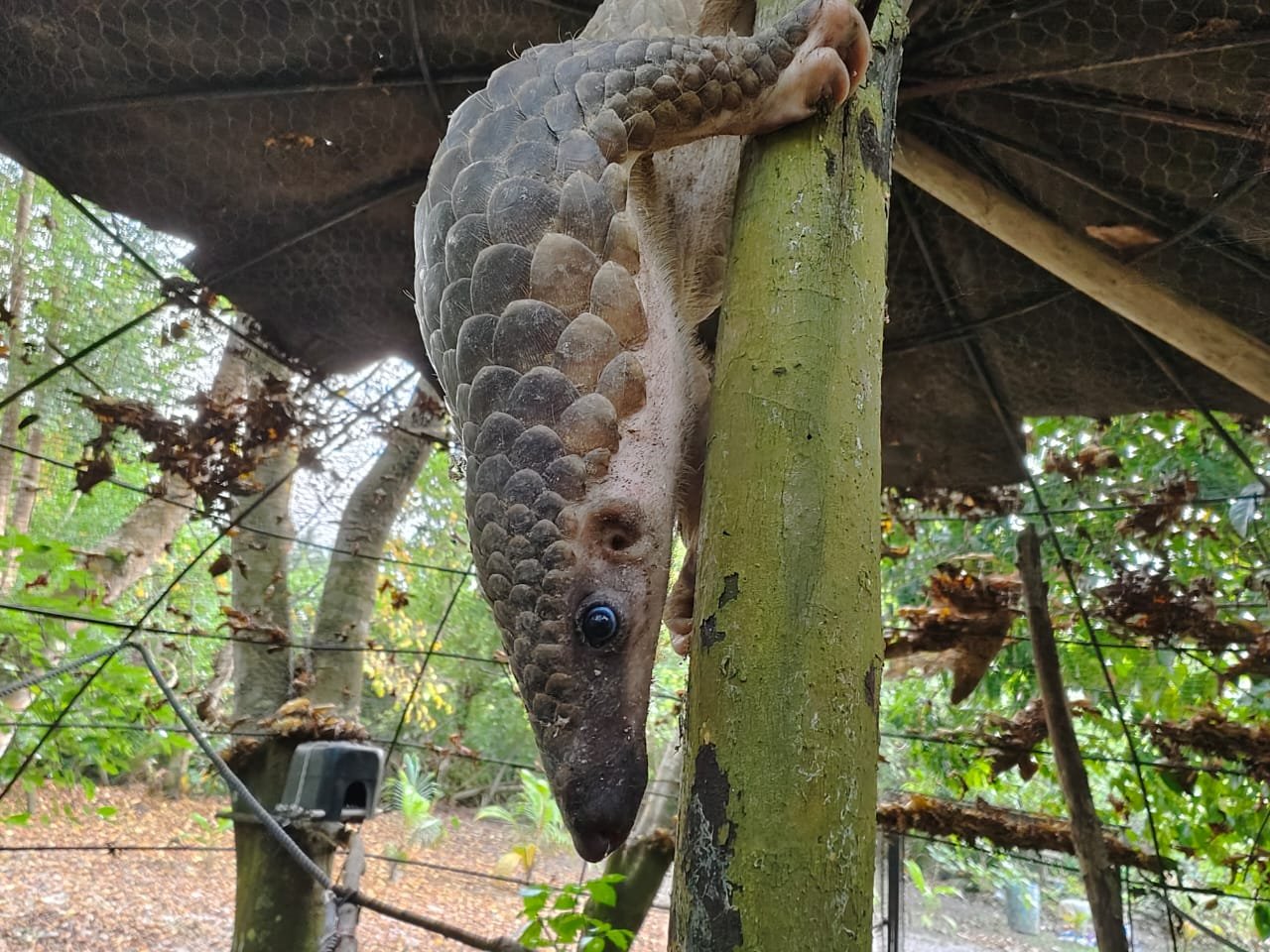
Physical Traits
Covered in overlapping keratin scales (like human nails)
Long, narrow head with no teeth
Very long, sticky tongue (can be longer than the body)
Strong, curved claws for digging into nests
Long tail used for balance and carrying babies
Diet and Behaviour
Feeds mainly on ants and termites
Nocturnal (active at night)
Uses smell to find insect nests
Curls into a tight ball when threatened
Solitary and very shy
Reproduction and Life Cycle
Gestation: About 120–150 days
Litter size: Usually 1 baby
Birth: Baby is born with soft scales that harden later
Care: Mother carries the baby on her tail/back
Independence: After a few months
All pangolin species are now threatened with extinction, and several are listed as Critically Endangered. The main reasons are illegal wildlife trade, poaching for their meat and scales, and the rapid loss of forests due to deforestation. Pangolins are the most trafficked mammals in the world, and their natural armor cannot protect them from humans. Protecting their habitats, enforcing wildlife laws, and raising public awareness are essential to ensure pangolins survive in the wild.
Conservation Status