Who Are The Silvered Langur ?
Meet Silvered Langur: The Gentle Ghosts of The Treetops
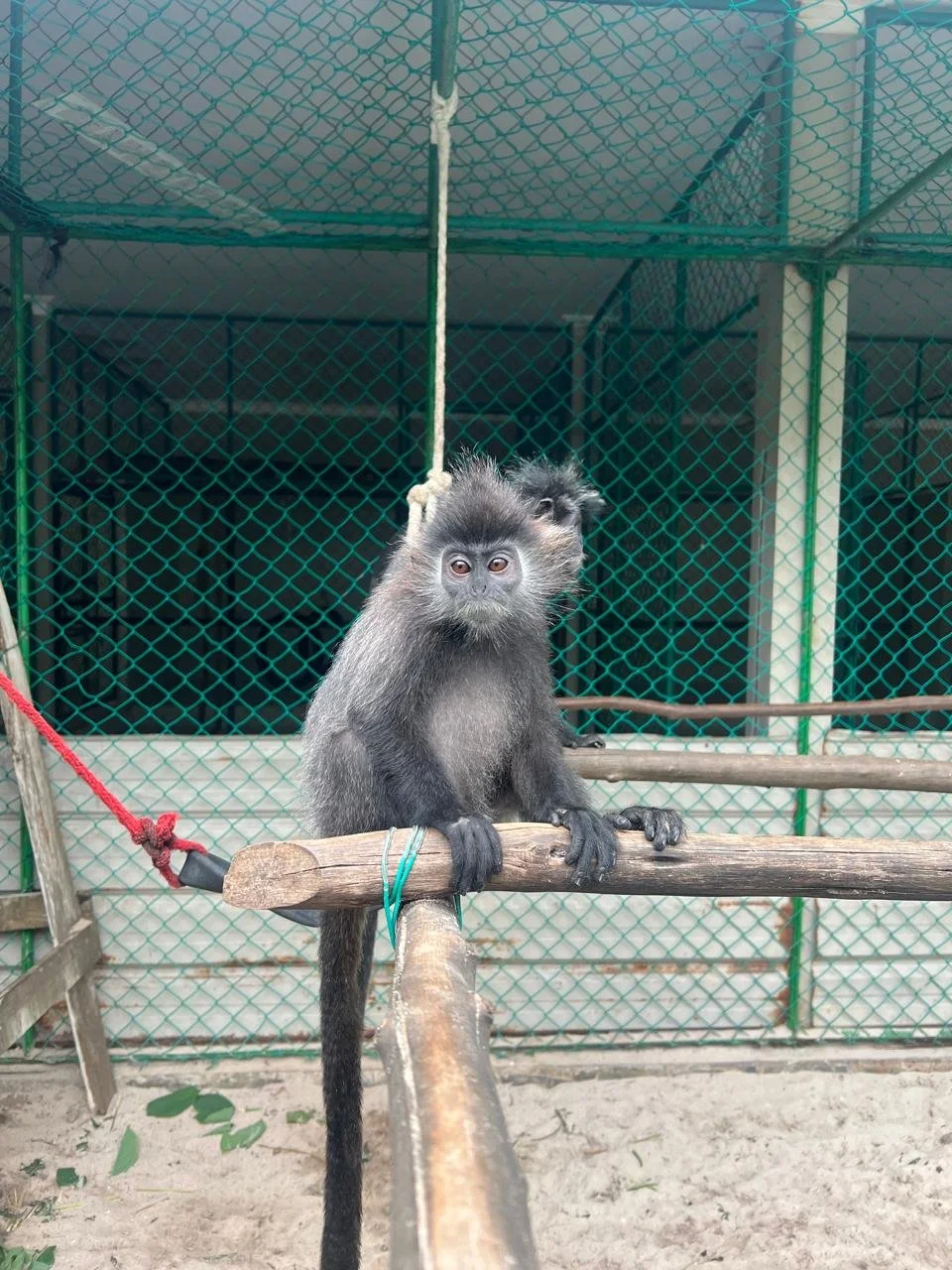
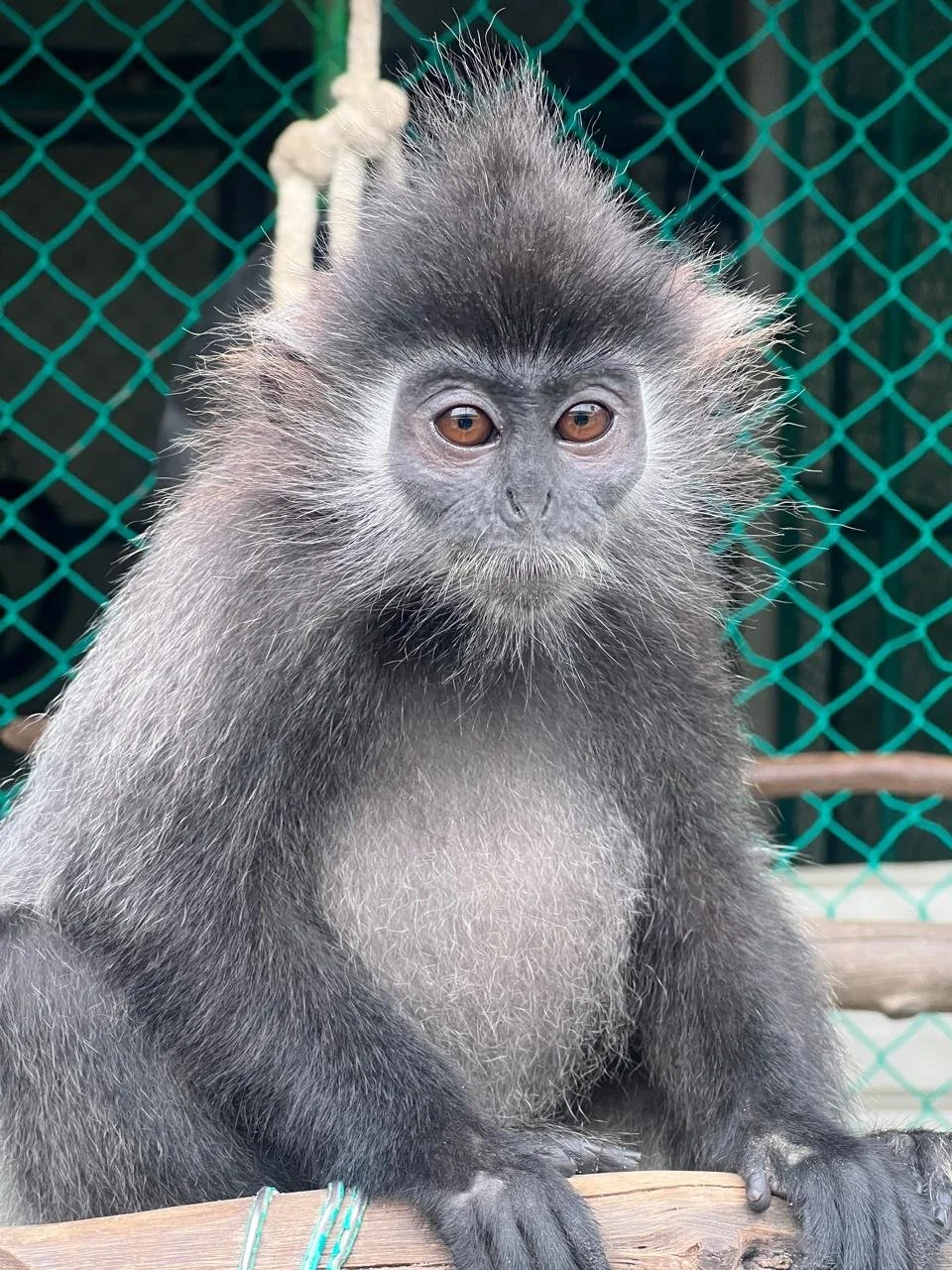
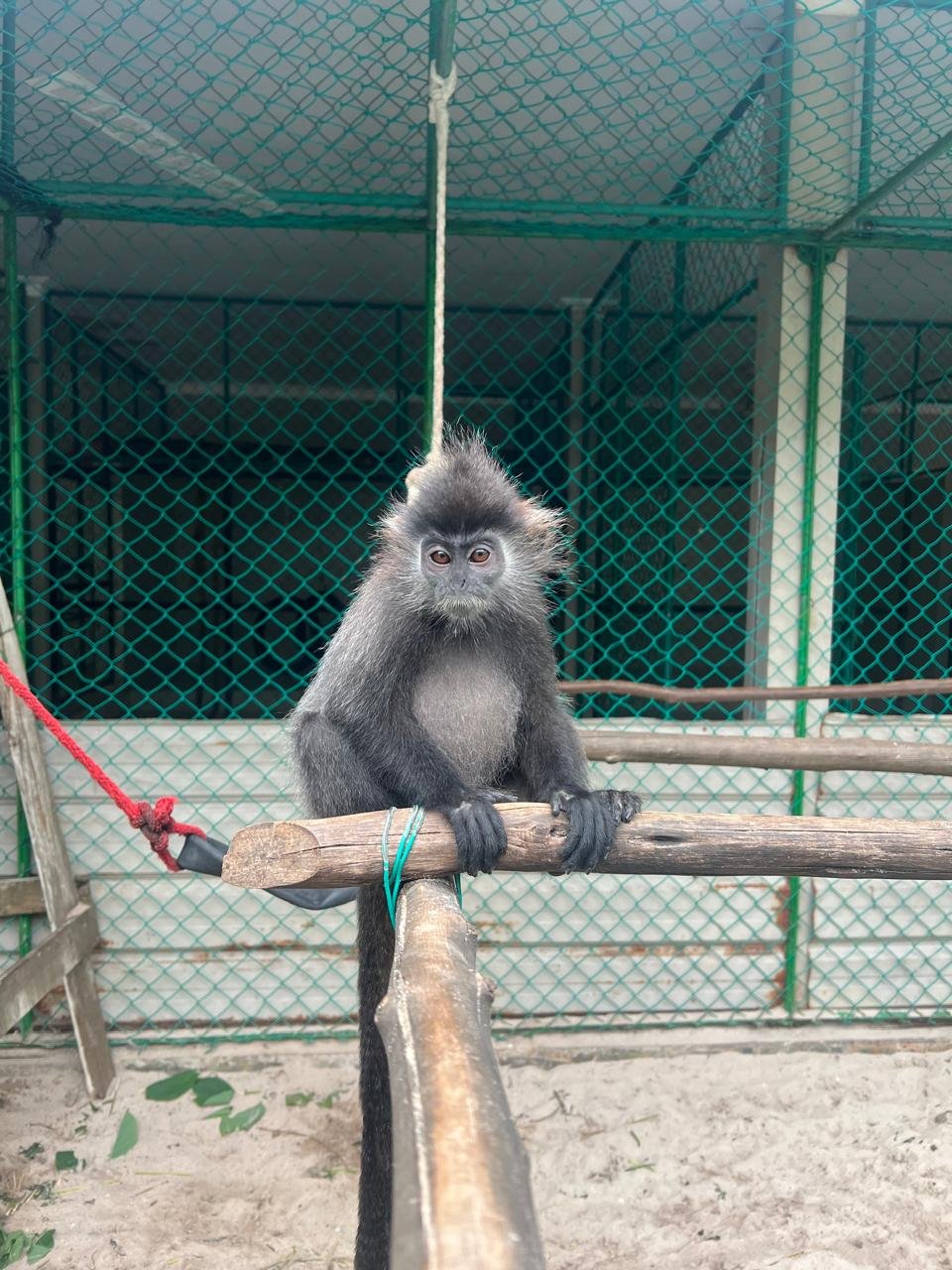
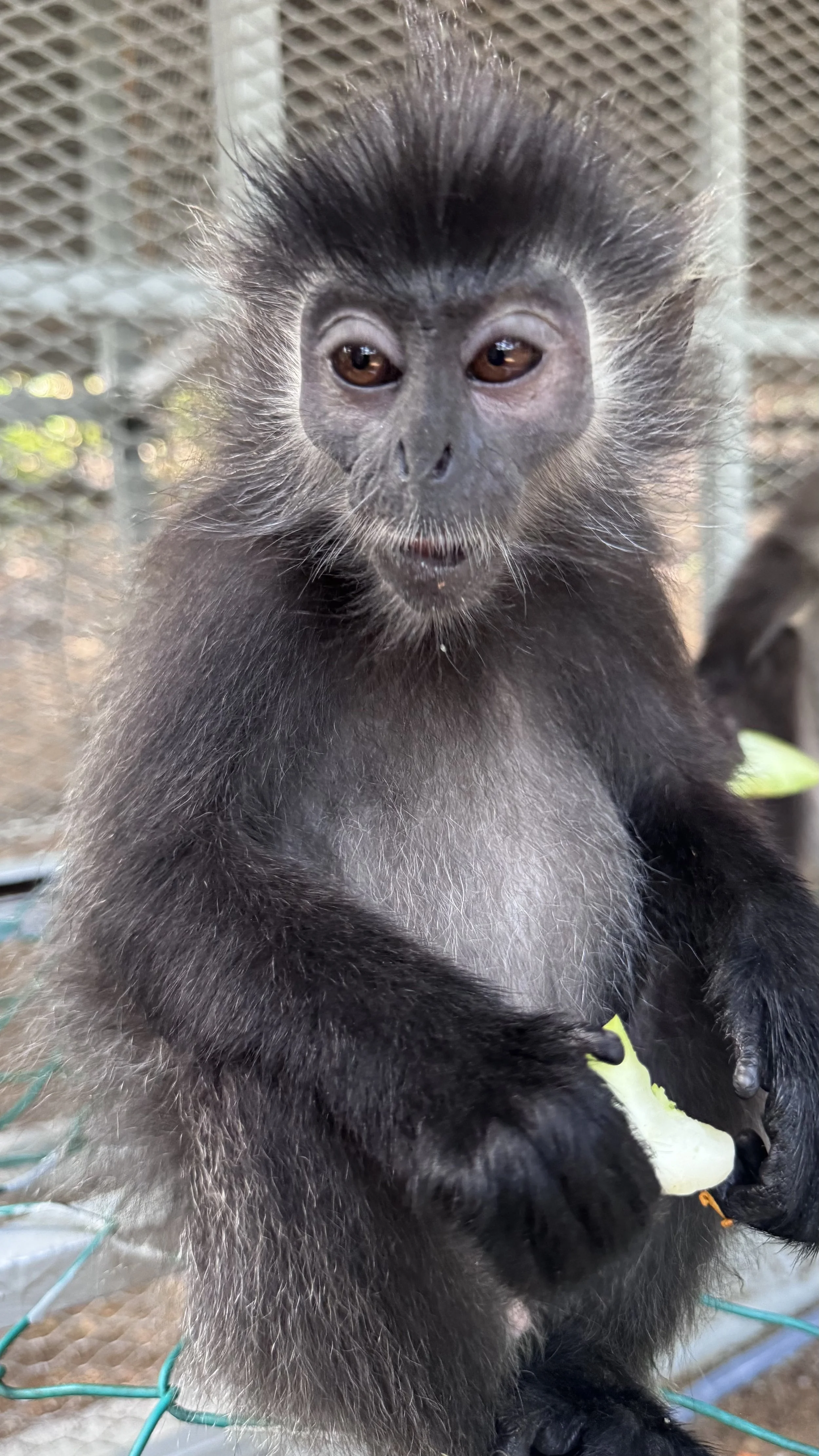
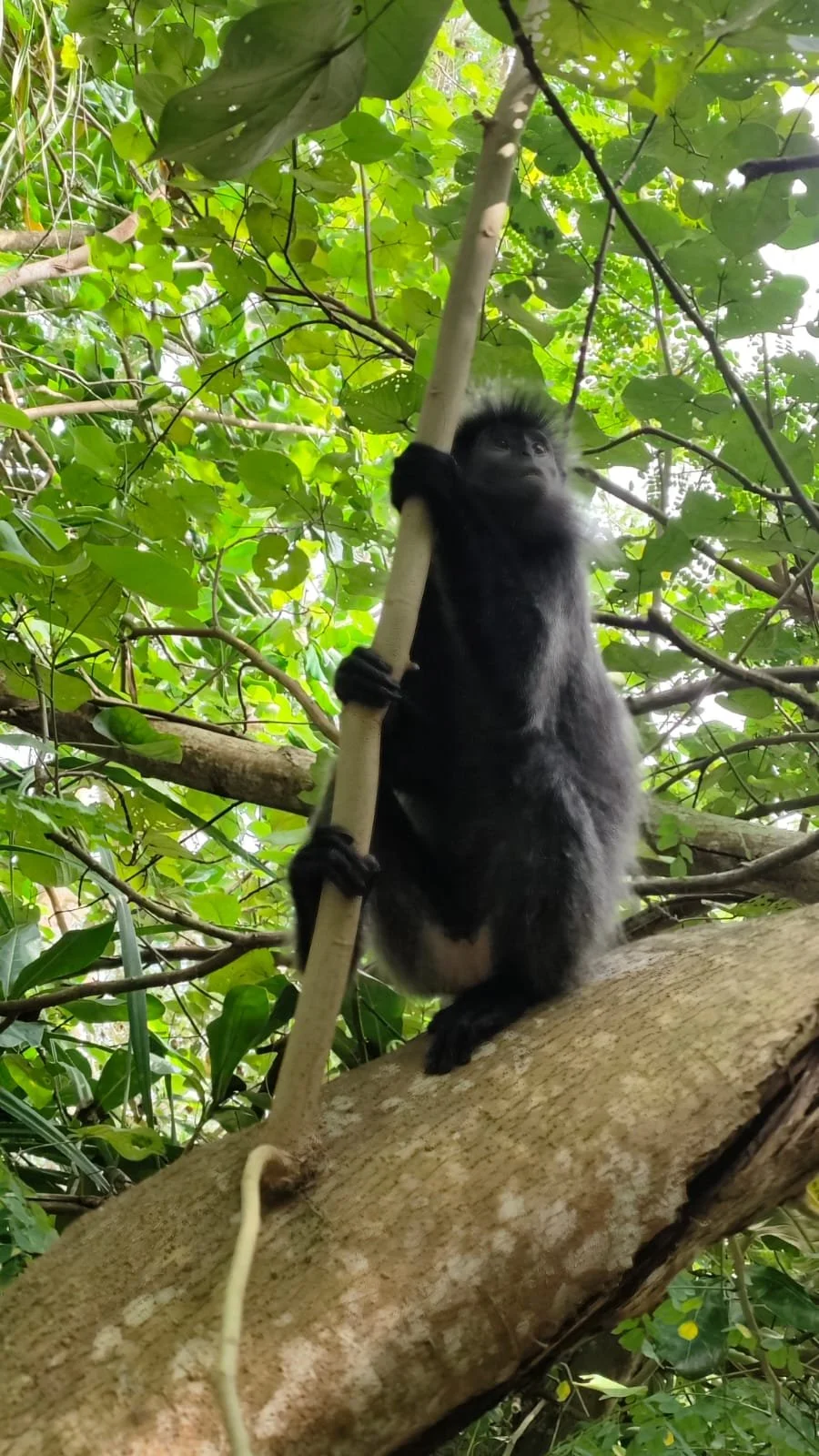
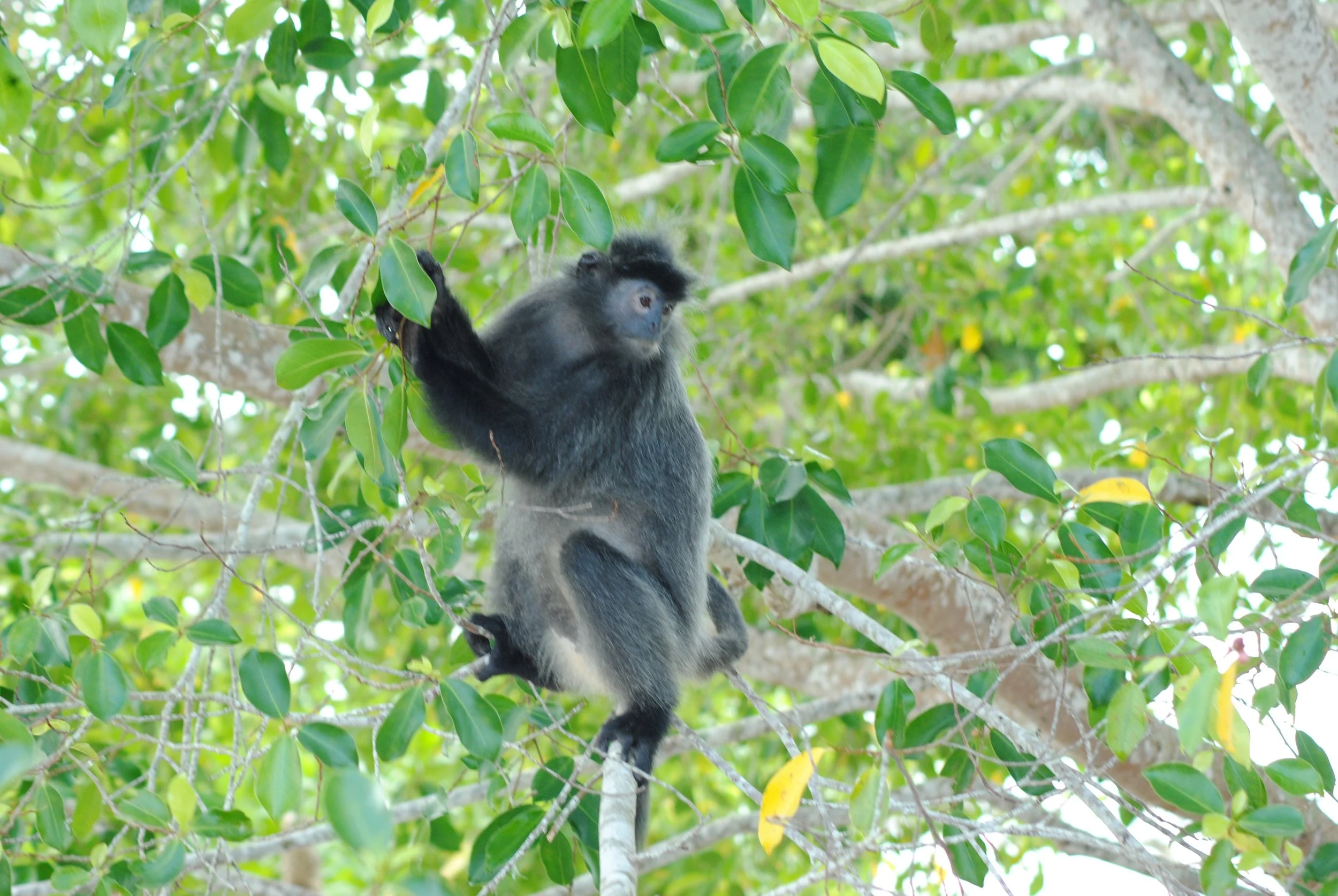
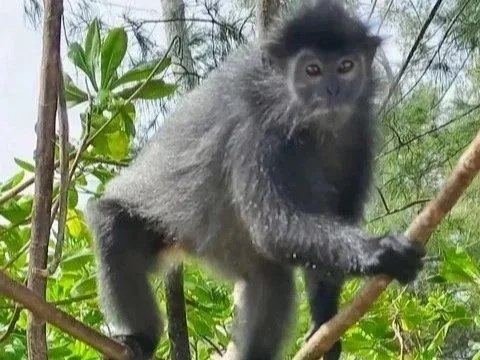
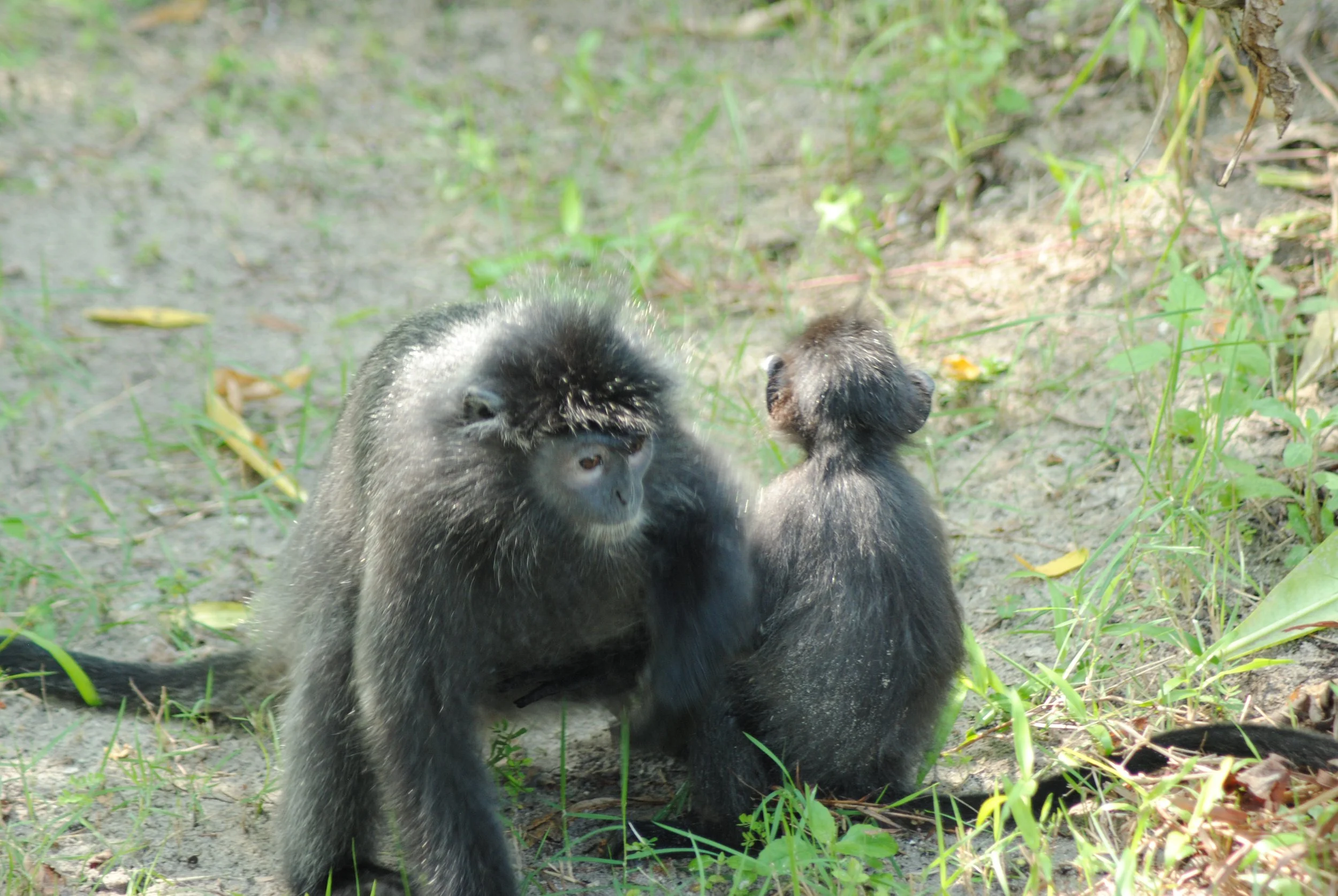
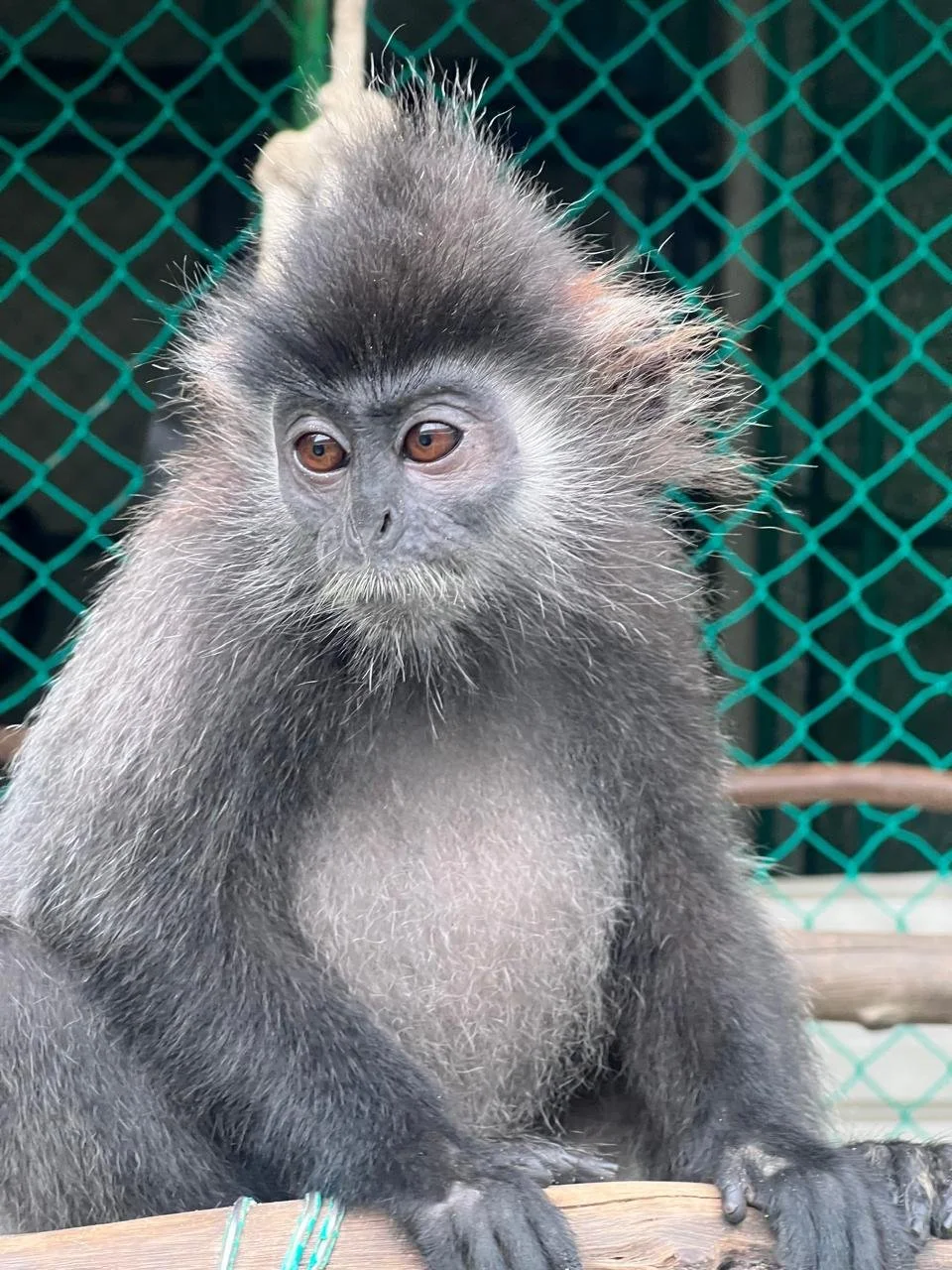
The Silvered Langur (Trachypithecus cristatus), also known as the silver leaf monkey, is one of Southeast Asia’s most elegant primates. In Indonesia, these monkeys are commonly found in coastal forests, mangroves, river edges, and lowland jungles. Their soft silver-gray fur and slow, graceful movements make them look like living shadows gliding through the treetops.
Unlike loud or aggressive monkeys, silvered langurs are calm and gentle by nature. They spend most of their lives high in the trees, rarely coming down to the ground. Their world is the canopy—branches, leaves, sunlight, and wind. From there, they search for food, rest in safety, and raise their young.
One of the most magical sights in the forest is a newborn silvered langur. Babies are born bright orange, almost glowing against the green leaves. Over several months, their fur slowly changes to the familiar silver-gray of the adults. This color change is thought to help the group recognize and protect the baby.
Common Name: Leopard Cat
Scientific Name: Prionailurus bengalensis
Habitat: Forests, plantations, and grasslands across Asia
Activity Pattern: Mostly nocturnal (active at night)
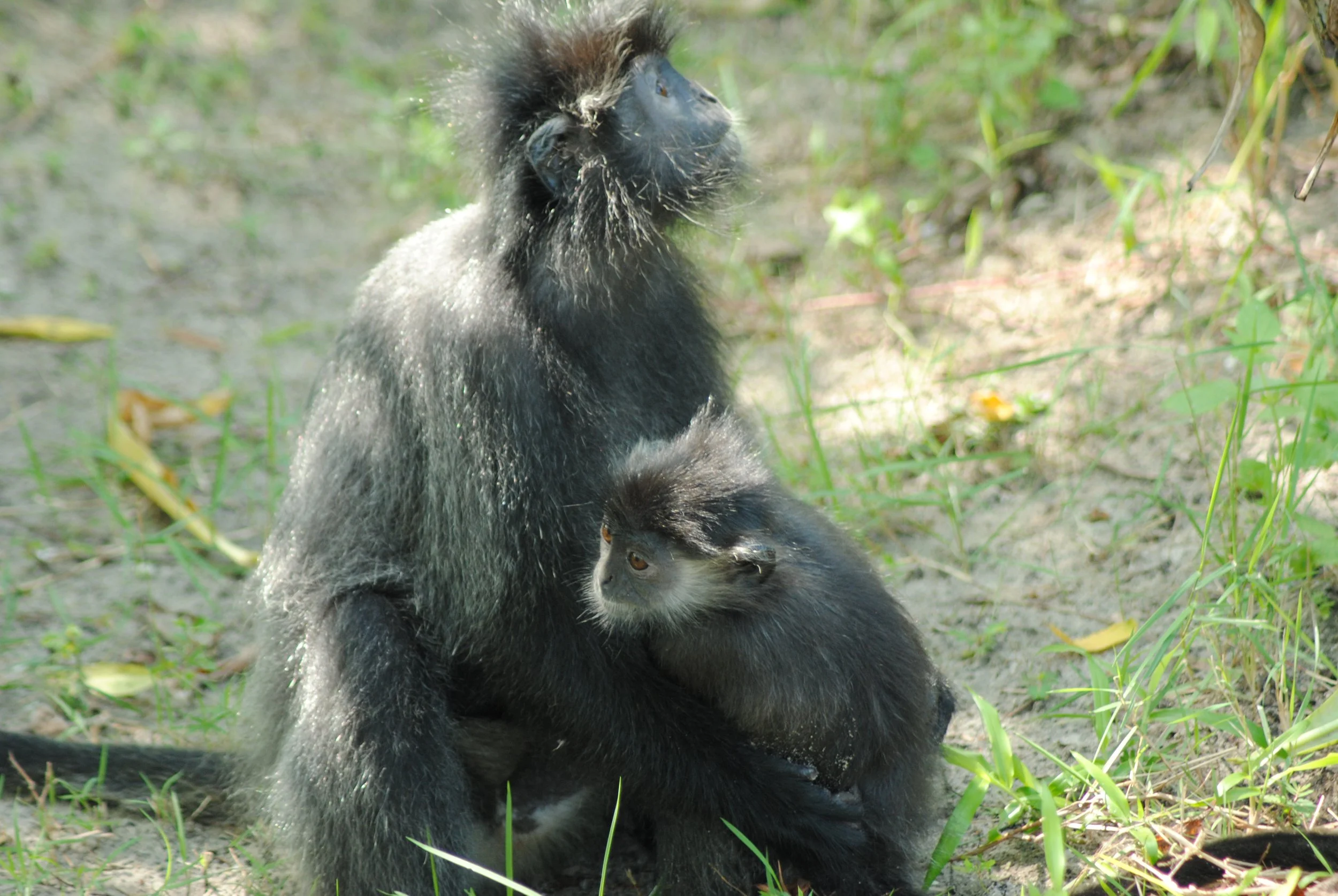
Silvered langurs live in close-knit family groups led by one adult male and several females with their young. They spend much of the day resting, grooming each other, and feeding. Grooming is important—it strengthens social bonds and keeps the group calm and united.
These monkeys are important to the forest. By eating leaves and fruits and moving across wide areas, they help spread seeds and support healthy plant growth. When langurs disappear, the balance of the forest begins to change.
Sadly, as forests are cut down for development, agriculture, and tourism, silvered langurs lose the tall trees they depend on. When mangroves and coastal forests are destroyed, entire families can be forced into small, unsafe areas near humans. That’s why protecting them is not just about saving one species—it’s about saving whole ecosystems.
At ArkAsia Foundation, silvered langurs represent the quiet victims of habitat loss. They don’t roar, they don’t attack—they simply fade away when their forests disappear. Protecting them means protecting Indonesia’s living green heart 🌱🐒
Physical Traits
Silvery-gray to bluish fur with darker face, hands, and feet
Long limbs and slim body built for climbing and jumping
Long tail used for balance in the canopy
Babies are born bright orange and turn silver as they grow
Diet and Behaviour
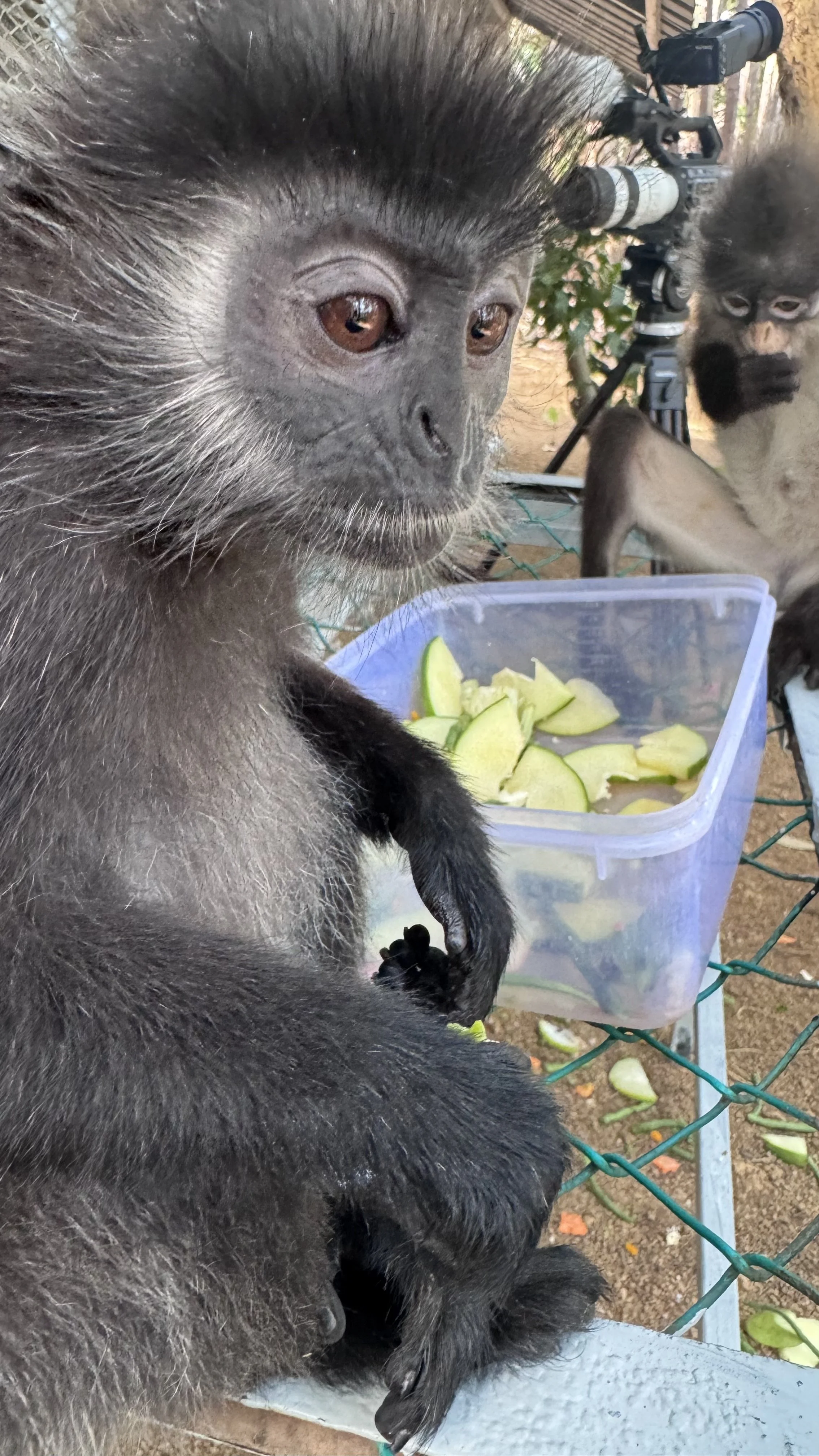
Mostly eat young leaves, shoots, fruits, and flowers
Live in social family groups led by one adult male
Spend much of the day resting, grooming, and foraging
Gentle, quiet, and rarely aggressive
Prefer staying high in trees and avoiding the ground
Reproduction and Life Cycle
Females give birth to one baby at a time
Newborns cling tightly to their mothers
The whole group helps protect and care for infants
Babies change from orange to silver as they grow
Young langurs stay with the group for many months before independence
Silvered langurs are listed as Near Threatened. In Indonesia, their main threats are deforestation, coastal development, and increasing human disturbance. When mangroves and forests are cleared, these monkeys lose their food, shelter, and safe nesting areas. Without strong habitat protection, their populations can decline quickly. Conservation efforts—like those supported by ArkAsia Foundation—focus on protecting forest corridors, rescuing animals in conflict areas, and educating communities about living in harmony with wildlife.
Conservation Status