Who Are The Macaques ?
Meet Macaque : The Clever Forest Oportunist
Common Name: Macaque
Scientific Name: Macaca spp.
Habitat: Forests, mangroves, mountains
Activity Pattern: Diurnal (active during the day)
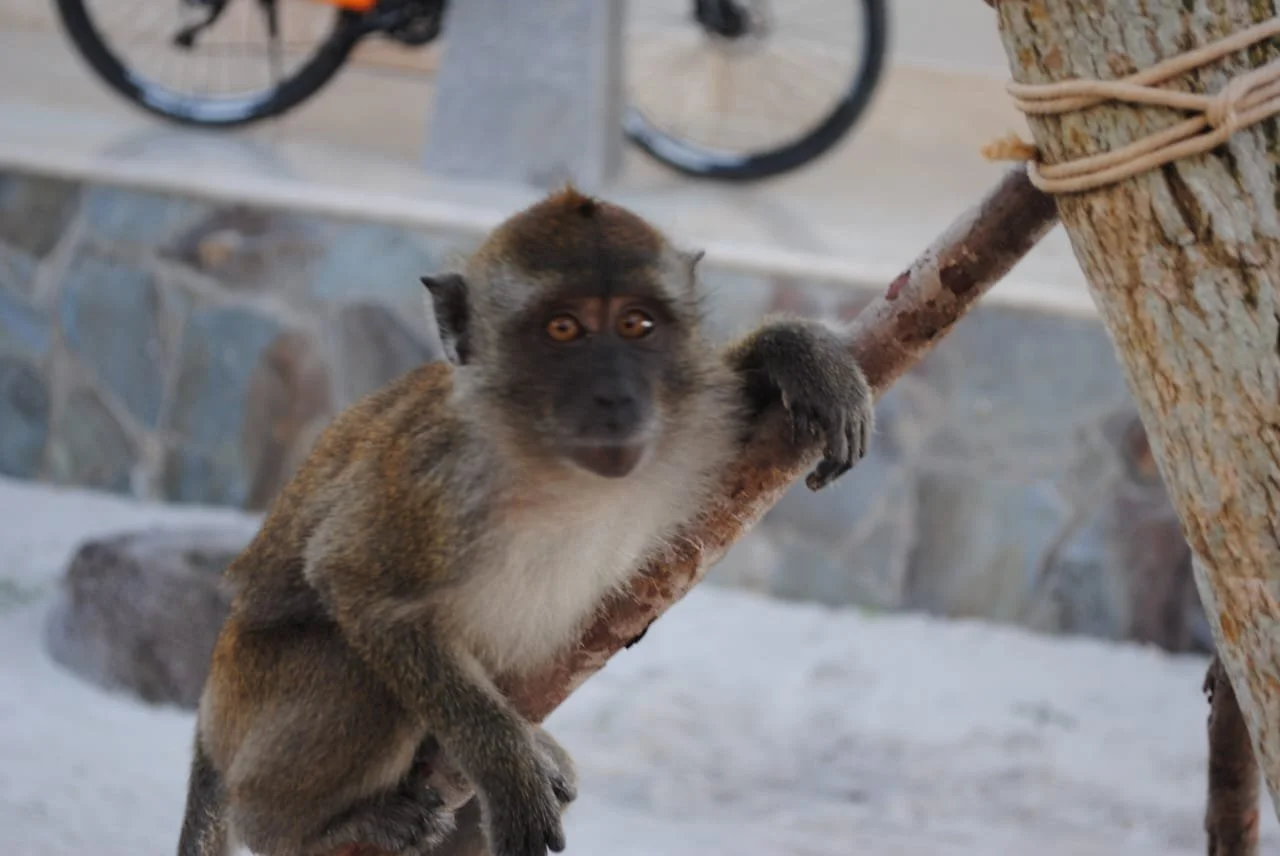
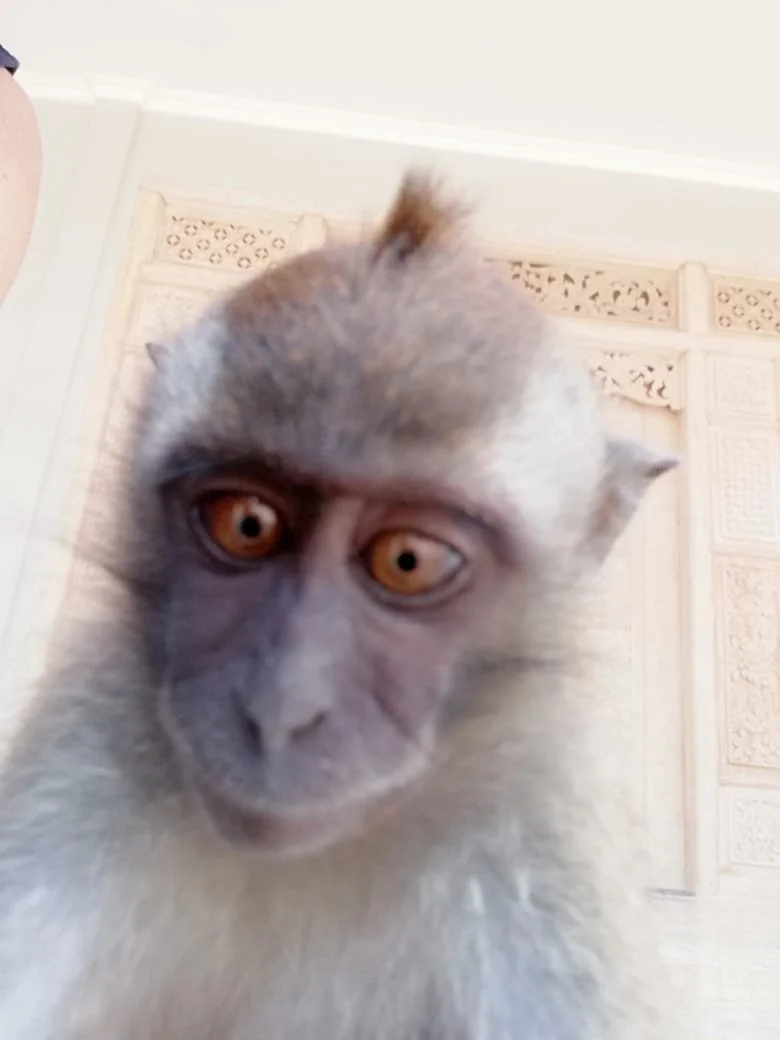
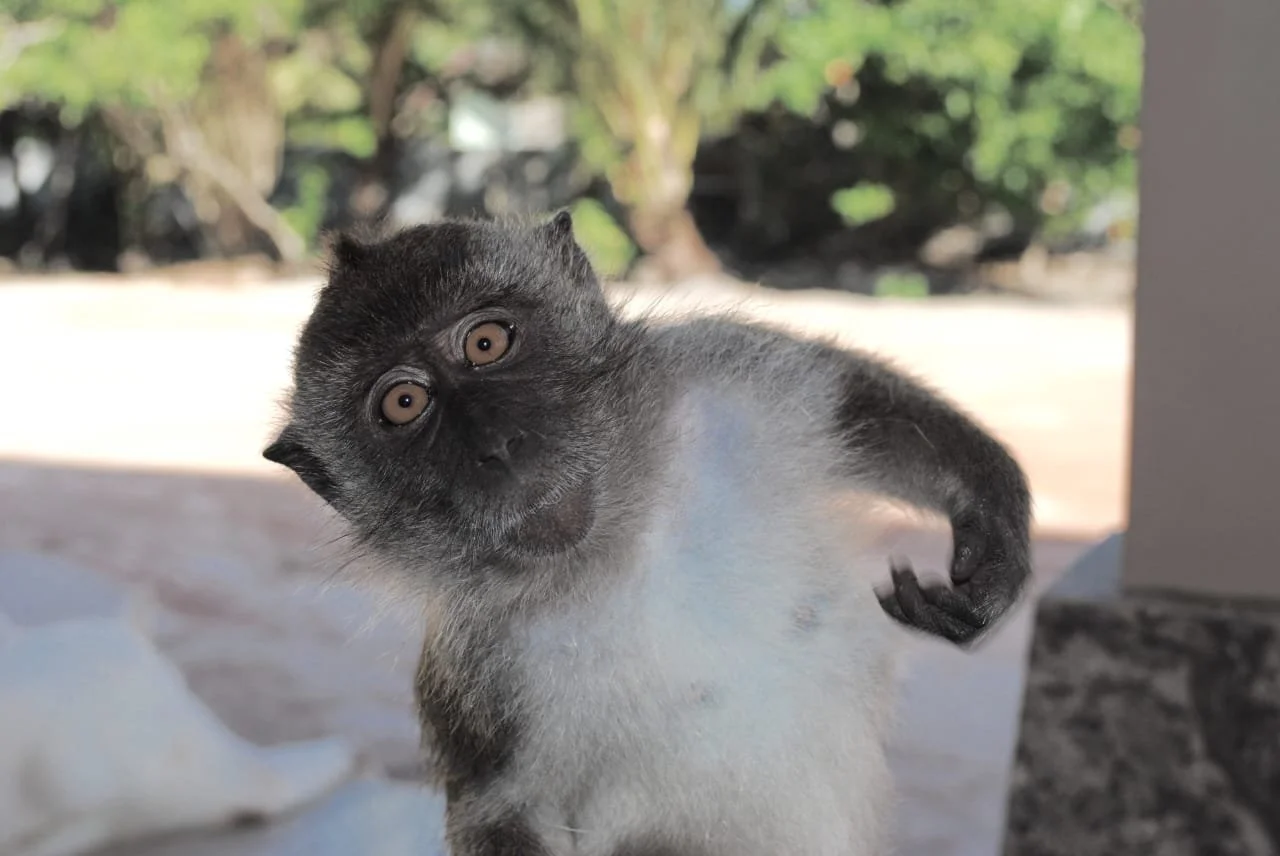
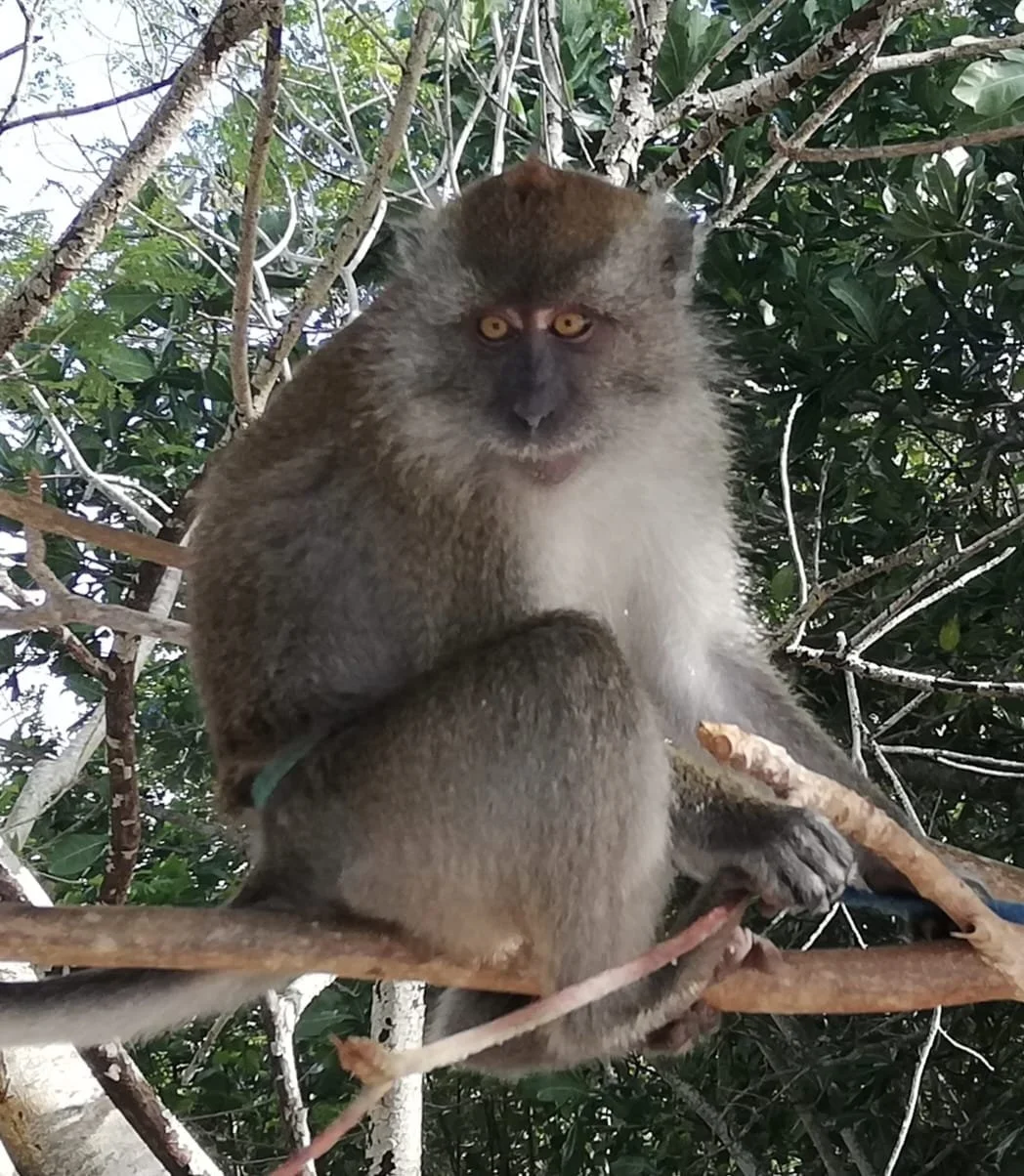
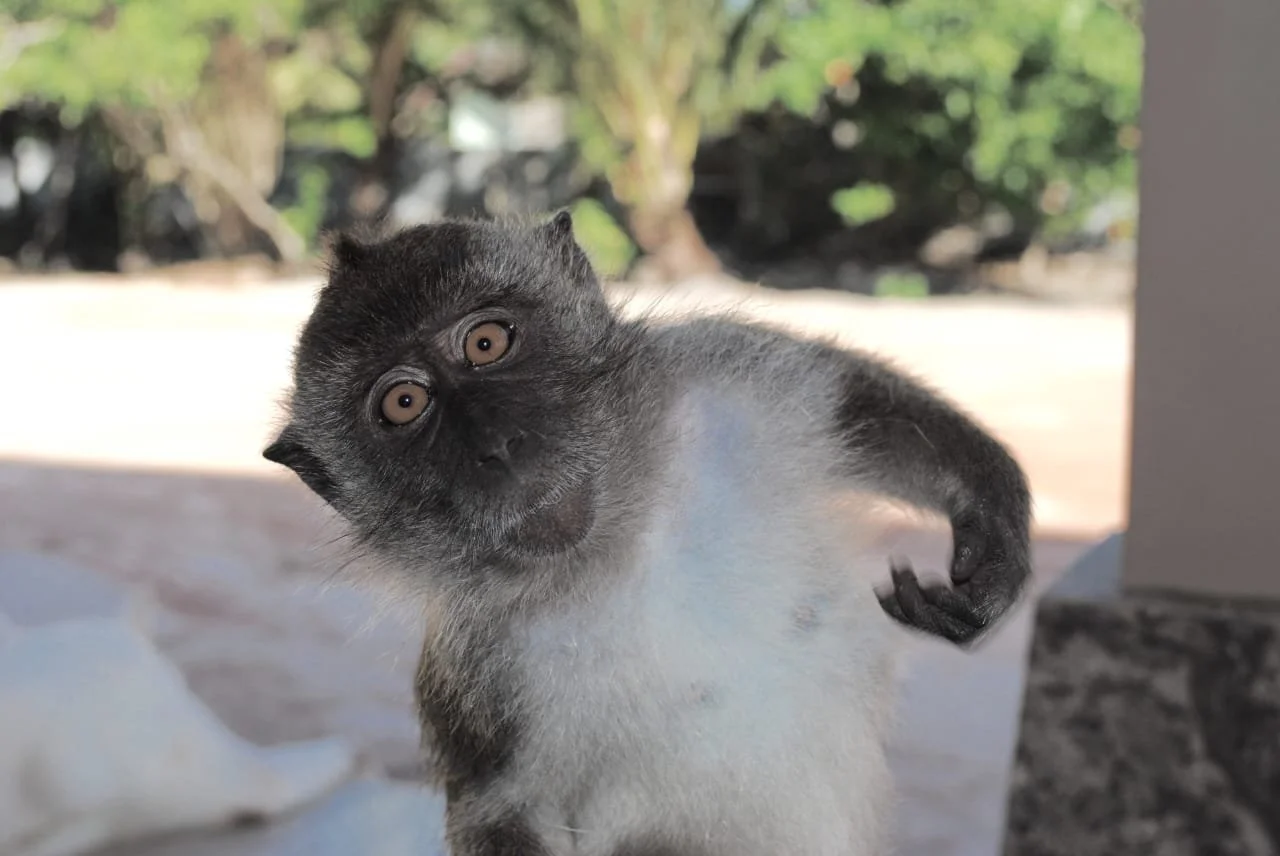
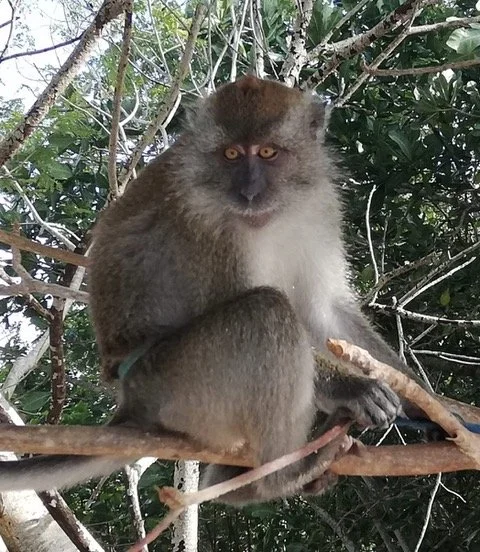
The macaque is one of the most intelligent and adaptable primates in Asia. In Indonesia, the most familiar species is the long-tailed macaque (Macaca fascicularis), often seen in forests, mangroves, temples, and even near towns. With curious eyes and expressive faces, macaques are always watching, learning, and adjusting to whatever environment they live in.
Macaques are highly social animals. They live in large groups called troops, where every individual has a role and a rank. They communicate using sounds, facial expressions, and body language. Grooming is especially important—it helps build friendships and keep the group calm and connected.
These monkeys are excellent problem-solvers. They can remember where food is hidden, learn from each other, and quickly adapt to new situations. This intelligence helps them survive in changing landscapes, but it can also bring them into conflict with humans when they raid crops or take food from people.
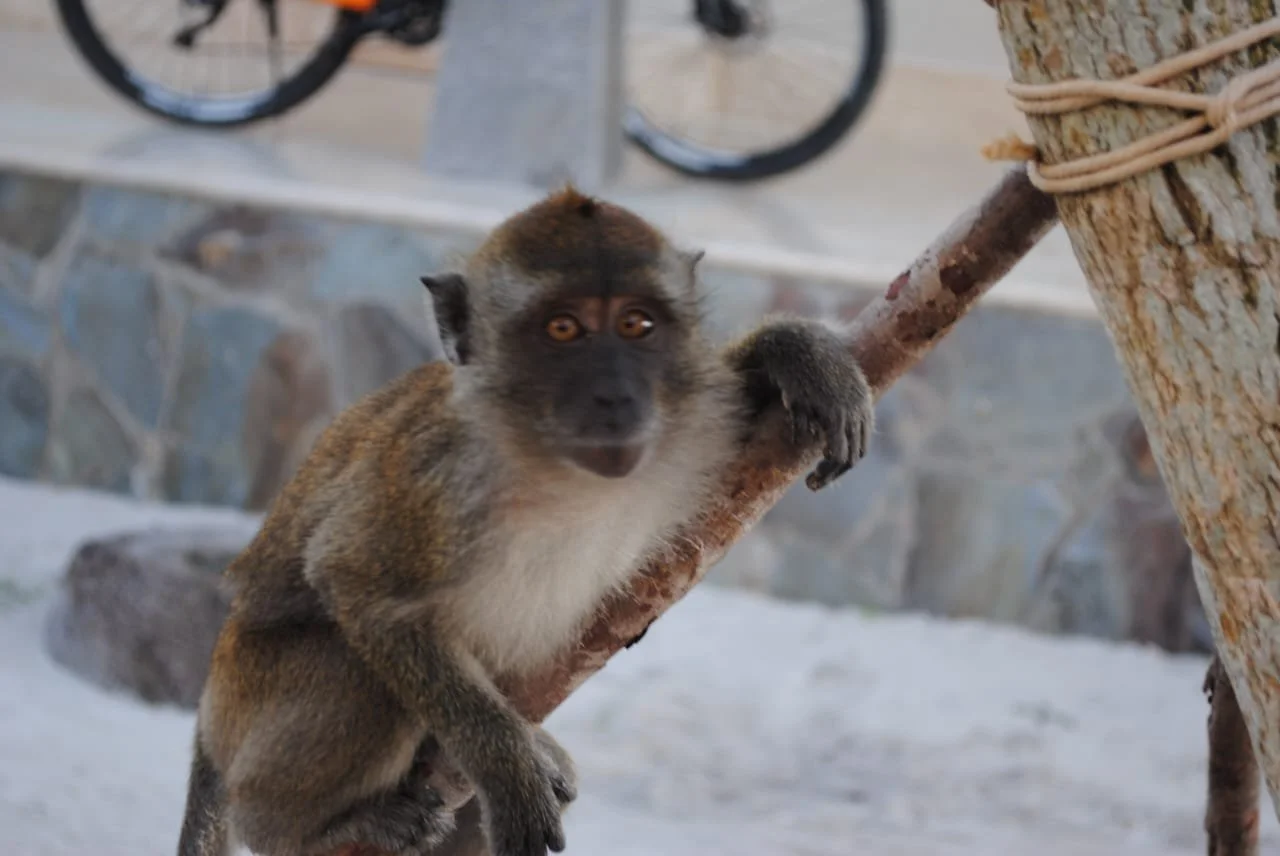
Macaques eat a wide variety of foods. In the wild, they enjoy fruit, leaves, seeds, insects, and small animals. Near villages, they may also eat human food, which is why it’s important that people don’t feed them. Human food can make them sick and change their natural behavior.
Mothers are very caring and protective. Baby macaques cling tightly to their mother’s belly at first, then ride on her back as they grow. Young macaques learn everything by watching adults—how to find food, stay safe, and live within the troop.
Macaques play an important role in forest ecosystems. By eating fruit and moving long distances, they help spread seeds and support new plant growth. When they live in healthy forests and are respected by people, macaques and humans can share the landscape more peacefully
Physical Traits
Medium-sized primate with a slim, agile body
Long tail (especially in long-tailed macaques) used for balance
Fur color ranges from gray-brown to golden
Forward-facing eyes for good depth perception
Expressive face used for communication
Reproduction and Life Cycle
Gestation: About 160–170 days
Litter size: Usually 1 baby
Birth: Baby clings to mother’s belly, then rides on her back
Weaning: Around 6–8 months
Sexual maturity: About 3–4 years
Diet and Behaviour
Omnivorous: eats fruit, leaves, seeds, flowers, insects, and small animals
Highly intelligent and curious
Lives in social groups (troops) with clear hierarchy
Communicates with calls, gestures, and facial expressions
Active during the day (diurnal)
Macaques as a group are widespread across Asia, and some species are still listed as Least Concern because they can adapt to many environments. However, this does not mean they are safe. Many macaque populations are declining due to rapid deforestation, hunting, illegal wildlife trade, and increasing conflict with humans as forests are turned into farms, roads, and cities.
Several macaque species are already in trouble. The long-tailed macaque (Macaca fascicularis), once considered common, is now listed as Endangered in many assessments because its numbers have dropped sharply. The lion-tailed macaque (Macaca silenus) from India is also Endangered, mainly due to severe habitat loss in rainforest areas. The pig-tailed macaque (Macaca nemestrina) is classified as Vulnerable, and some other species are considered Near Threatened as their forest homes continue to shrink.
Protecting macaques means protecting forests and managing human–wildlife relationships better. When people stop feeding wild monkeys, protect natural habitats, and support conservation laws, macaques can survive without becoming pests or victims. Conservation groups like ArkAsia Foundation work to promote coexistence, rescue injured individuals, and raise awareness so that macaques can continue to play their important role in forest ecosystems.
Conservation Status